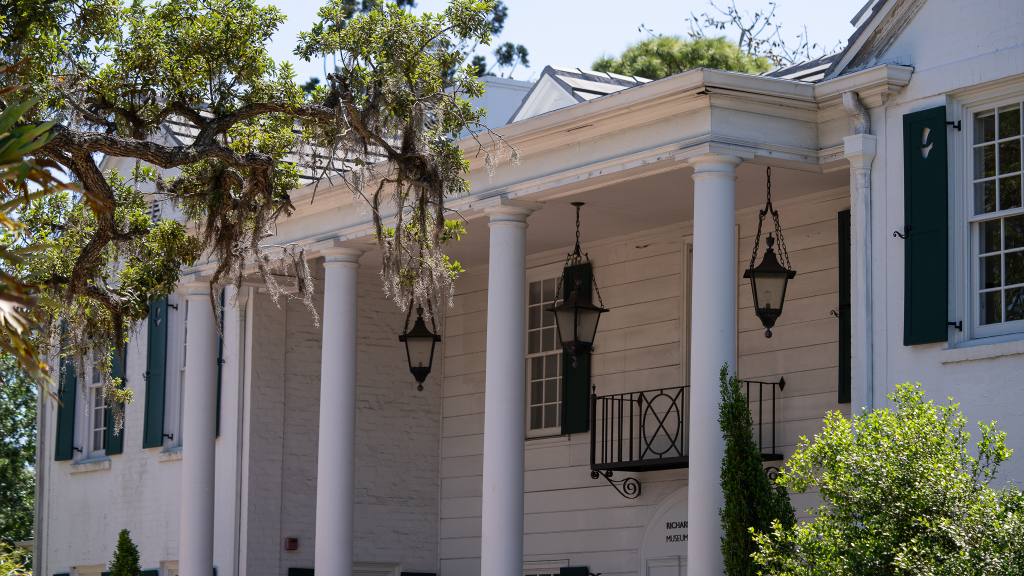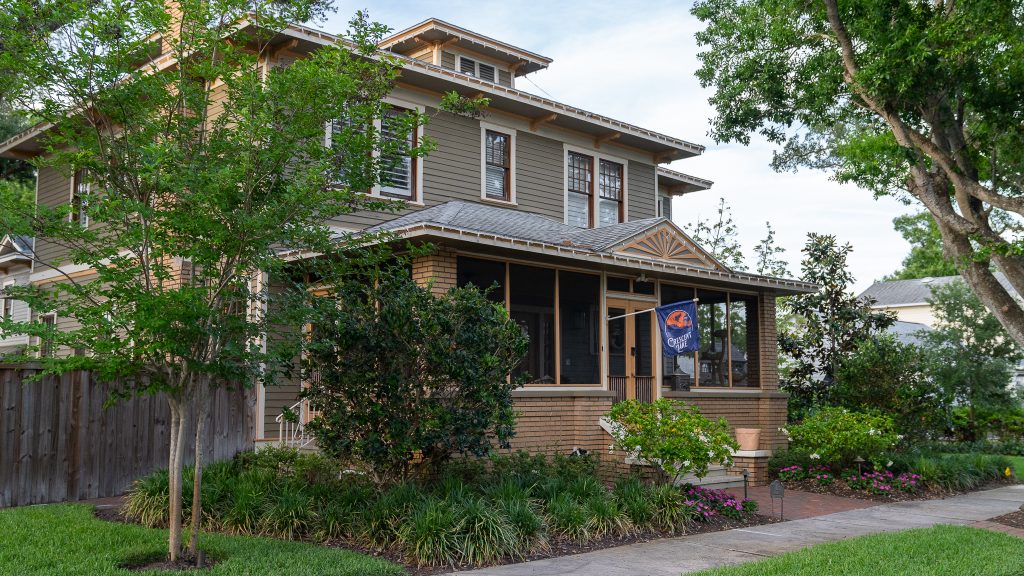
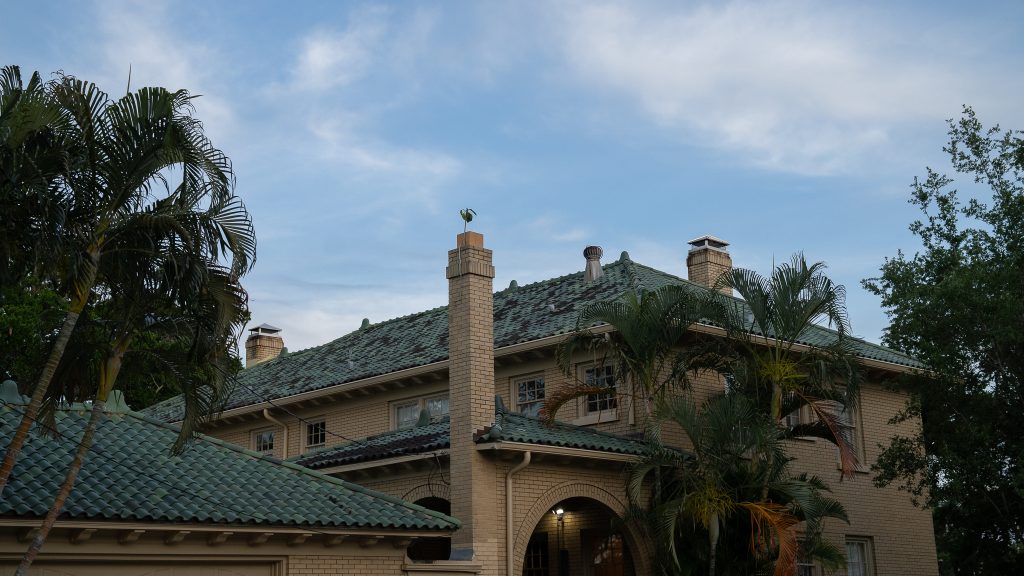
The window question is the single most common renovation conversation I have with historic home owners in Tampa Bay. The original wood windows in a 1920s bungalow or Mediterranean Revival don’t close quite right. They rattle in the wind. They’re drafty. The sashes stick. The glazing putty is crumbling. An enthusiastic sales representative from a vinyl window company has come to the home and presented a compelling estimate — tear out the originals, install new double-pane vinyl replacements, and the homeowner will save on energy bills for decades.
The proposition sounds reasonable until you understand what’s actually being proposed. The sales representative is asking the homeowner to trade irreplaceable 80-to-100-year-old custom-built wood windows — built from old-growth lumber that doesn’t exist anymore, sized specifically to the home’s original openings, and architecturally integral to the home’s facade — for mass-produced vinyl assemblies with a 15-to-25-year expected lifespan, made from petroleum-based materials that discolor and degrade in Florida sun, and that will themselves need replacement in a generation.
The economics, the energy performance claims, the aesthetic impact, and the preservation implications of this decision are all more complicated than the sales pitch suggests. Window decisions in historic homes are among the most consequential renovation choices owners make, and the wrong decision — in either direction — can cost substantial money, reduce the home’s long-term value, or both.
After years of advising historic home buyers and sellers on these decisions across Tampa Bay, here’s what I’ve learned actually matters.
Why This Decision Matters More Than Most Owners Realize
Before digging into specifics, it’s worth understanding why window decisions carry disproportionate weight in historic home ownership.
Original windows are one of the most architecturally defining features of a historic home. Their proportions, muntin patterns, sash profiles, and integration with the facade were designed as part of a coherent architectural composition. Replacement windows — even careful ones — almost always alter these proportions subtly, and less careful ones alter them dramatically. The difference is immediately visible to trained eyes and subtly noticeable to untrained ones. This affects both the home’s visual coherence and its eventual resale value.
Original windows are also, practically, among the most difficult features to replace well. The original openings were sized to original window units. Replacement windows are typically installed within the existing frames, which means the glass opening shrinks, proportions change, and the sight lines through the window alter. New replacement units designed to match the existing opening exactly are available but significantly more expensive than standard replacements.
Finally, original wood windows — contrary to persistent sales-driven mythology — are often genuinely repairable to good working condition and good energy performance. Many historic homeowners have been told that their original windows are “beyond repair” by contractors who don’t actually restore historic windows and don’t want to learn. The reality is that most original wood windows can be restored to excellent condition by craftspeople who specialize in this work.
The question is almost never “can these windows be saved?” It’s “what approach produces the best outcome for this specific home, this owner’s priorities, and this budget?”
Understand What You’re Actually Evaluating
Before making window decisions, understand clearly what your current windows are and what they need.
Original wood windows in Tampa Bay historic homes. Typically double-hung with weight-and-pulley mechanisms concealed in the window frames. Frames are usually old-growth heart pine or cypress — dense, rot-resistant, and substantially more durable than any modern wood. Glass is single-pane. Glazing putty seals the glass into the wood sash. Sash cords (cotton rope) connect the sashes to cast iron counterweights concealed in the frame.
Common issues in aged original windows. Failed glazing putty (the most common issue). Broken sash cords causing non-functional operation. Paint-locked sashes that won’t open. Peeling or damaged exterior paint. Minor rot in sills or lower rails — usually repairable, not requiring complete replacement. Air infiltration around the sashes (can be addressed with weatherstripping without replacing the window). Single-pane glass allowing heat transfer (can be addressed with storm windows or interior panels).
What’s usually not an issue. Structural failure of the frames themselves (original heart pine and cypress rarely fail structurally). Glass failure (original glass with minor imperfections is actually valuable — “wavy glass” contributes to architectural character). The windows being inherently “drafty” beyond repair (a properly restored and weatherstripped historic window can match modern performance).
What to do: Before any replacement decision, have the windows evaluated by a historic window restoration specialist — not a replacement window salesperson. The assessment will tell you which windows can be restored cost-effectively, which might warrant replacement, and what restoration would actually cost.
The Real Economics: Restoration vs. Replacement
The sales pitch for replacement windows almost always emphasizes energy savings. The reality is more complicated, and the long-term economics often favor restoration more than homeowners realize.
Restoration costs. Professional restoration of a Tampa Bay historic wood window typically runs $400 to $1,200 per window depending on condition, with full restoration including complete disassembly, glazing repair, sash cord replacement, painting, weatherstripping, and hardware refurbishment falling in the middle to upper end of that range. Storm windows or interior panel inserts add $200 to $600 per window depending on quality.
Replacement costs. Decent-quality vinyl replacement windows installed in existing openings typically run $800 to $2,000 per window. Wood replacement windows (more period-appropriate but more expensive) run $1,500 to $3,500 per window. Custom-sized replacement windows that preserve original opening dimensions and muntin patterns — the only type that minimally affect architectural character — run $2,500 to $6,000+ per window.
Energy performance reality. A properly restored wood window with a storm window or interior panel insert typically achieves U-values of 0.35 to 0.45, comparable to or better than standard dual-pane vinyl replacements (U-values of 0.30 to 0.45). High-performance replacement windows can achieve better numbers (U-values approaching 0.20), but the incremental energy savings rarely justify the upgrade cost over the window’s lifespan in Tampa Bay’s cooling-dominated climate.
Lifespan comparison. Restored original wood windows, properly maintained, typically last 50+ years beyond restoration — meaning a window restored today will serve you, your children, and potentially your grandchildren. Standard vinyl replacement windows have typical lifespans of 15 to 25 years in Florida’s sun before UV degradation and seal failures require replacement. Wood replacement windows fall somewhere between, depending on quality.
Long-term economics. Over a 40-year ownership horizon (realistic for historic home owners), replacement windows will typically require one full replacement cycle (often two for lower-quality vinyl). Restored originals typically require minor maintenance cycles but no full replacement. Properly accounted for, restoration is often the cheaper long-term choice even before considering resale value implications.
What to do: Build complete cost projections before deciding. Include not just initial cost but expected lifespan, ongoing maintenance, and replacement cycles. The spreadsheet often tells a different story than the sales pitch.
The Preservation and Resale Value Dimension
Beyond pure cost economics, window decisions significantly affect a historic home’s long-term resale value — and in Tampa Bay, where design-conscious buyers actively seek architectural authenticity, this dimension often dominates the financial picture.
Original windows as value driver. Restored original windows are among the features that most clearly signal architectural authenticity to sophisticated buyers. Listings that can accurately describe “original wood windows, restored and weatherstripped” command premiums over comparable properties with vinyl replacements. Homes in designated historic districts often see this effect magnified, as preservation-conscious buyers specifically seek original features.
Replacement windows as value reduction. Vinyl replacement windows in historic homes consistently reduce what design-conscious buyers will pay. The effect is measurable and consistent in the Tampa Bay market — buyers who specifically seek historic homes often mentally discount properties with inappropriate window replacements, and some walk away entirely. The discount varies by home but typically falls in the range of 3 to 8 percent of home value for significant window replacements in contributing historic homes.
Historic district implications. If your home is designated as contributing within a historic district (Old Seminole Heights, Ybor City, Hyde Park, Historic Old Northeast, Historic Kenwood, and others), window replacement almost certainly requires preservation commission approval. Standard vinyl replacements rarely receive approval in these districts. Non-approved work can result in required restoration at the owner’s expense, and also complicates eventual resale if buyers discover unpermitted modifications.
Non-contributing and non-district homes. Outside designated districts and on non-contributing properties, you have more legal freedom. But “legal” isn’t the same as “good for the home’s value.” The market impact on future resale still applies.
What to do: If you’re considering replacement, first determine your home’s preservation status and the implications for both approval and resale value. The commission approval process, where applicable, often constrains the decision more than owners initially realize.
Hurricane and Storm Protection Considerations
The hurricane protection question is genuinely important in Tampa Bay, and this is where the modern replacement argument has some legitimate footing — though not always in the way replacement companies frame it.
Impact-rated replacement windows. Modern impact-rated windows provide genuine hurricane protection without requiring external shutters or protection measures. They also qualify homeowners for meaningful wind mitigation insurance credits. For homes in evacuation zones or areas with high wind exposure, this is a legitimate consideration.
Storm protection for original windows. Original windows can be protected equally well through several alternative approaches: exterior hurricane shutters (accordion, rolling, or removable panel), exterior storm windows with impact-rated glass, interior storm panels or impact-rated plywood shutter systems, or through robust whole-home approach that doesn’t require window-specific hardening.
Insurance credit comparison. Impact-rated replacement windows typically qualify for the full wind mitigation credit. Exterior hurricane shutters qualify for the same credit with a lower installed cost than window replacement. Interior storm panels provide partial credit depending on rating. The financial comparison needs to account for both the cost of protection and the insurance savings.
Practical decision framework. If you’re in a high-exposure zone (barrier islands, waterfront, near-coastal areas) and your insurance is genuinely affected, impact-rated custom replacement windows designed to match original proportions may be justified. For inland Tampa Bay historic homes, shutters or storm panels over restored originals typically deliver the same protection at lower cost with better preservation outcomes.
What to do: Get a wind mitigation inspection on your current conditions and with various protection options. The insurance credit numbers are often surprising, and the economics of shutter systems versus window replacement frequently favor shutters for inland historic properties.
The Restoration Process: What Actually Happens
For homeowners considering restoration but uncertain about the process, here’s what actual historic window restoration looks like.
Assessment. A restoration specialist evaluates each window, documents its condition, and identifies specific repairs needed. Estimates typically include individual window condition assessment.
Removal and disassembly. Sashes are removed from the frame. Storm windows or screens are removed. Original hardware is documented and set aside.
Paint removal. Old paint is carefully removed from sash edges and meeting rails to restore proper sash travel. Lead paint concerns — common in windows painted before 1978 — require specific handling procedures that qualified restoration specialists follow.
Glazing repair. Old glazing putty is removed from around the glass. Glass is inspected and typically retained unless broken. New glazing compound is applied. This step alone often dramatically improves window weathertightness.
Sash repair. Any damaged wood is repaired using traditional methods — Dutchman repairs for localized damage, epoxy consolidants for stabilizing aged wood, full rail or stile replacement only where genuinely necessary.
Weatherstripping. Modern, minimally visible weatherstripping is added to sash edges and meeting rails. This step, combined with glazing repair, addresses the primary air infiltration issues that make original windows feel drafty.
Sash cord replacement. Old cotton sash cords are replaced. Cast iron counterweights are cleaned and reinstalled. The window’s original counterweight mechanism is restored to proper operation.
Hardware refurbishment. Original locks, lifts, and hardware are cleaned, repaired if needed, and reinstalled. Matching replacement hardware for missing or damaged pieces is sourced when necessary.
Painting. Sashes and frames are primed and painted. Quality restoration uses traditional oil-based primers and top-quality exterior paints that provide 10-to-20-year service life.
Reinstallation. Sashes are reinstalled. Storm windows or interior panels are installed if part of the project. Final functionality and weathertightness are tested.
Timeline. A full restoration project typically runs 2 to 8 weeks for a home depending on window count and specialist availability. Most homes have 10 to 30 original windows; most restoration specialists can complete 4 to 8 windows per week.
What to do: Ask prospective restoration specialists to walk you through their process in detail. A qualified specialist will readily explain each step and show examples of completed work.
Finding a Historic Window Restoration Specialist in Tampa Bay
This is where the rubber meets the road for many Tampa Bay homeowners: actually finding a qualified specialist. The specialist pool is smaller than the replacement contractor pool, and not every “window restoration” company is equally qualified.
What qualifies a specialist. Documented experience with historic wood windows specifically (not general carpentry or general renovation). Familiarity with traditional restoration techniques including weight-and-pulley systems, traditional glazing compounds, and period-appropriate methods. Knowledge of preservation standards and, where applicable, local historic commission requirements. Portfolio of completed historic window projects with reference clients. Appropriate certifications or training in lead paint handling for pre-1978 windows.
Red flags. Specialists who primarily do replacement work and handle restoration as a sideline. Quick, low estimates that don’t account for actual restoration complexity. Refusal to provide references or portfolio examples. Proposals that default to replacement recommendations for any window showing normal aged condition. Lack of familiarity with your specific historic district’s requirements.
Where to find them. Historic preservation organizations (including your neighborhood association), local historic commissions, architectural firms specializing in historic work, and established historic home contractors are all good referral sources. Your agent (ideally one specializing in historic homes) should have relationships with qualified specialists.
Vetting process. Interview at least two or three specialists. Request references from past historic home clients. Visit a completed project if possible. Ask specifically about their approach to weatherstripping, glazing, and sash cord replacement. Compare proposals carefully — the cheapest option is rarely the right one for this work.
What to do: Build a specialist relationship before you need it urgently. Many Tampa Bay historic homeowners find that having a relationship with a trusted restoration specialist is as valuable as having relationships with their plumber, electrician, and HVAC contractor.
The Middle Path: Selective Replacement with Period-Appropriate Windows
For some Tampa Bay historic homes, particularly those where original windows have been lost to prior inappropriate replacements or suffered genuine structural failure beyond reasonable restoration, selective replacement with carefully chosen period-appropriate windows represents the right answer.
When selective replacement makes sense. Windows that have already been replaced with vinyl or aluminum — reinstalling appropriate period-sensitive replacements restores architectural integrity that’s already been compromised. Rear-facing or less visible windows where preservation impact is lower and cost considerations may dominate. Windows with genuine structural failure beyond reasonable restoration (rare but occasionally encountered).
What period-appropriate replacement looks like. Wood construction, matching original profile and muntin patterns. Sized to original openings rather than reduced to fit within existing frames. Single-pane with storm window or true divided light construction (double-pane with actual muntins rather than simulated or snap-in grids). Matching operation type (double-hung, casement, etc.) to original design. Hardware selected to match period aesthetic.
Manufacturers worth knowing. Marvin, Kolbe, Pella Architect Series, Jeld-Wen Architectural, and smaller specialty manufacturers produce period-appropriate wood windows suitable for historic homes. These cost substantially more than standard vinyl replacements but preserve architectural integrity.
Hybrid approach. Some Tampa Bay historic homeowners restore original windows on the front facade (most visible, highest preservation impact) while allowing selective replacement elsewhere. This balances preservation with budget and practical considerations.
What to do: If selective replacement is part of your plan, work with an architect or preservation specialist to specify windows that genuinely match the home’s architectural period. The cost difference between appropriate and inappropriate replacements is smaller than many owners expect, and the preservation value difference is large.
The Final Decision Framework
Bringing all of this together, here’s the framework I typically walk homeowners through when they’re facing the restoration-vs-replacement decision.
First, understand your home’s preservation status. Contributing within a historic district changes the calculus significantly. Start here.
Second, get an honest assessment of your current windows’ condition. Have them evaluated by a restoration specialist, not a replacement salesperson. Most original windows are more restorable than replacement companies suggest.
Third, understand your actual long-term cost economics. Build a 30-to-40-year cost model including initial cost, expected lifespan, maintenance, and replacement cycles. Restoration often comes out ahead when properly analyzed.
Fourth, weigh the resale value implications. In contributing historic homes, replacement typically reduces long-term value. In non-contributing and non-district homes, the effect is smaller but still real.
Fifth, consider your storm protection strategy separately. Impact-rated replacement windows are one protection approach among several. Shutters over restored originals often deliver equivalent protection at lower cost.
Sixth, if replacement is genuinely the right answer, invest in appropriate period-sensitive replacements rather than standard vinyl. The cost difference pays back through preserved architectural integrity and resale value.
Seventh, document everything you do, whether restoring or replacing. Photographs, specifications, and professional work documentation protect your investment and support future resale value.
The right decision varies by home, by owner, by budget, and by priorities. What matters is that the decision be informed rather than default — driven by actual analysis rather than a sales presentation that benefits the company making it.
The Bigger Picture
Windows are among the features that most clearly define a historic home’s architectural character. They’re also among the decisions that most commonly go wrong in historic home ownership, because the market is heavily tilted toward replacement by commercial interests with obvious motivations.
The homeowners who make the best window decisions are the ones who approach the question as historic home stewards rather than as buyers of a product. They evaluate their original windows honestly, consider restoration as a serious option, understand the long-term economics, and respect the architectural and preservation dimensions of the decision.
Those homeowners end up with homes that hold their character, their value, and their integrity across decades of ownership. The rest often spend more money to achieve less satisfactory outcomes.
Questions About Your Historic Home’s Windows?
Whether you’re evaluating your current windows, planning a restoration project, considering a buyer for a home with restoration potential, or preparing to list a home where window condition will affect value — I’d be glad to have the conversation. Every home is specific, and the right answer depends on the home’s condition, its preservation status, and what you’re actually trying to accomplish.
Call 727-871-SOLD (727-871-7653) or reach out through the Contact page to start the conversation.