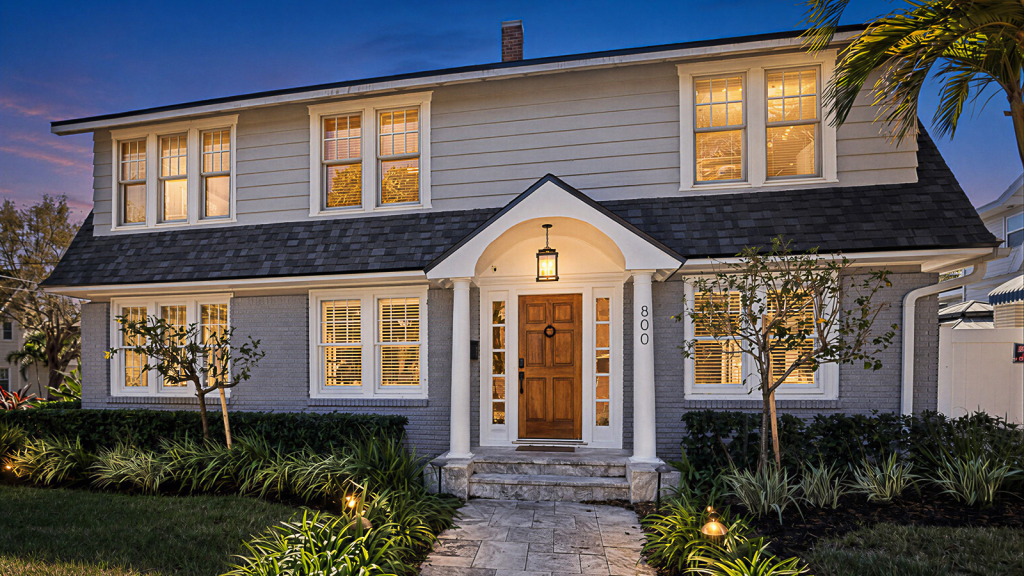
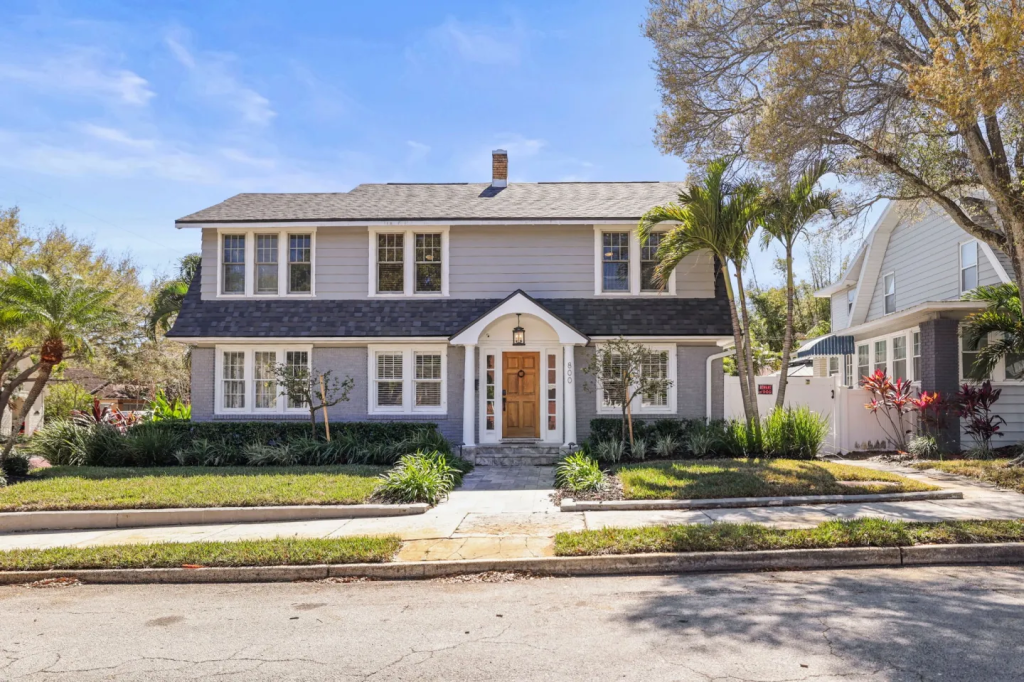
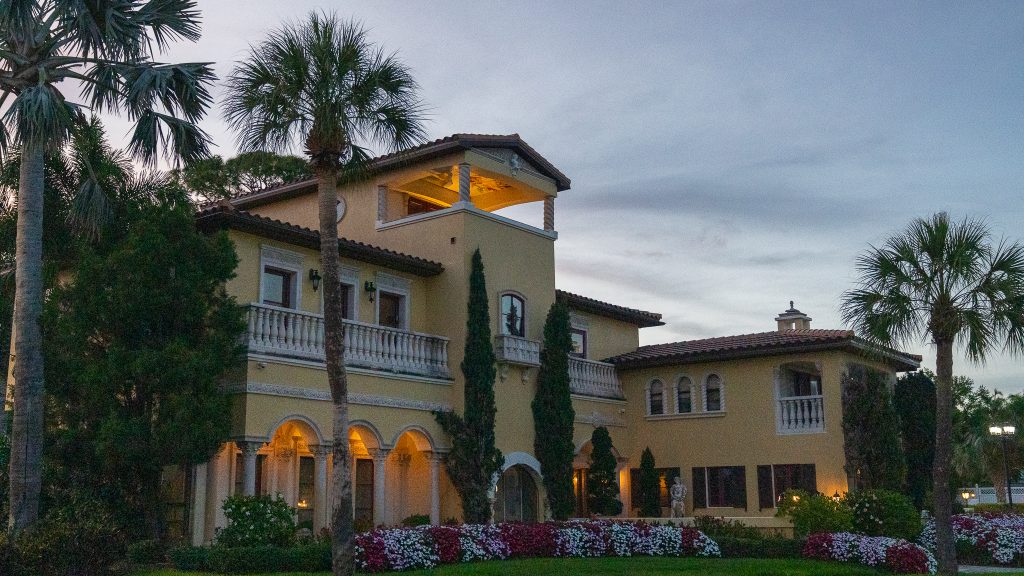
Buying a historic home in Tampa Bay is different from buying any other kind of property in Florida, and the buyers who treat it the same way often end up with expensive regrets. I don’t say this to discourage anyone — the opposite, actually. Historic homes in Tampa Bay are among the most rewarding properties you can own in this state, and for the right buyer, they deliver something that new construction simply cannot. But the decision deserves more careful evaluation than buyers typically give it, and the consequences of getting that evaluation wrong can be substantial.
After years of working with historic home buyers across Dunedin, St. Petersburg, Tampa, and the broader region, I’ve come to think of the pre-purchase evaluation in terms of what I wish every buyer understood before they submitted an offer. What follows is that list — the specific considerations that separate a smart historic home purchase from one that costs the buyer money, time, or peace of mind over the years that follow.
Start with Honest Self-Assessment
Before you evaluate any specific home, evaluate yourself as a buyer. Historic home ownership is not for everyone, and that’s not a judgment — it’s a practical reality.
Ask yourself several questions honestly. Do you have the financial capacity to maintain a home that requires ongoing cycles of specialized work rather than one-time modernization? Do you have the patience to coordinate with specialized contractors, preservation commissions, and the longer timelines these projects often require? Do you genuinely value architectural character, or are you drawn to historic homes primarily for the aesthetic of a restored final product you’d prefer someone else delivered? Do you understand that “original charm” often translates practically into “ongoing projects”?
Some buyers answer these questions and realize that new construction or a substantially renovated mid-century home better fits their actual life. That’s a legitimate conclusion, and it’s much better to reach it before purchase than after. Other buyers answer these questions and confirm that historic ownership is exactly what they want — and those buyers go on to become the stewards that Tampa Bay’s historic neighborhoods depend on.
What to do: Have this conversation with yourself, with your partner if you have one, and with your agent honestly before you fall in love with a specific property. The time to determine whether you’re a historic home buyer is before you’re emotionally committed to a specific home.
Understand Which Neighborhoods Actually Fit Your Goals
Tampa Bay’s historic neighborhoods are genuinely different from each other — in architecture, in pricing, in lifestyle, in school districts, in flood zone exposure, and in the specific buyer experience each offers.
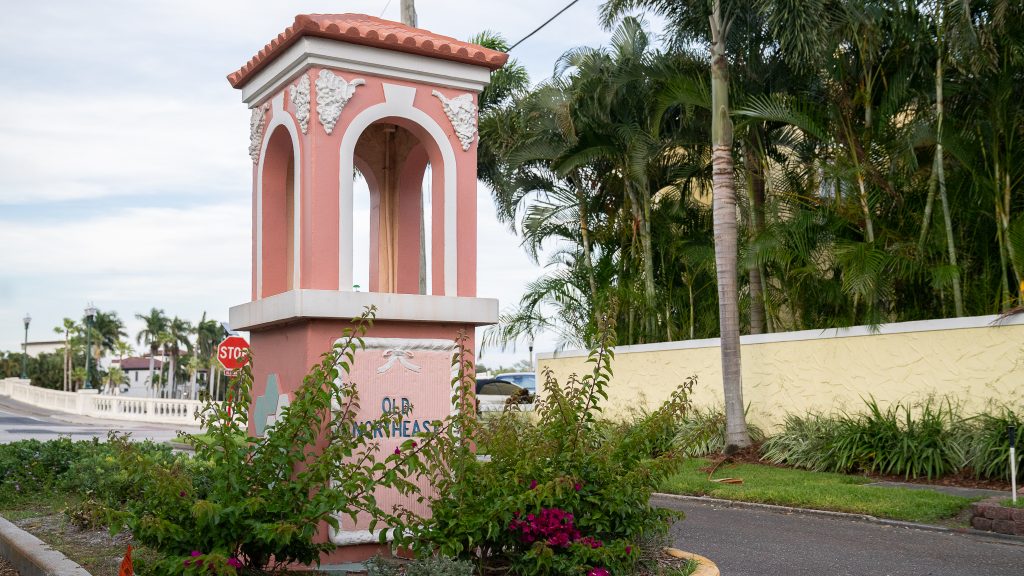
A 1920s bungalow in Old Seminole Heights delivers a fundamentally different lifestyle than a Mediterranean Revival on Snell Isle, even though both are historic, both are beautiful, and both have their own passionate buyer pools. Crescent Lake offers a different value proposition than Historic Old Northeast. Palma Ceia and Hyde Park compete for similar buyers but deliver different architectural experiences. Ybor City offers National Historic Landmark District status at prices meaningfully below comparable South Tampa neighborhoods. Dunedin and Safety Harbor offer walkable small-town character that St. Petersburg’s historic neighborhoods can’t quite replicate.
Sophisticated historic home buyers spend time understanding which neighborhoods actually fit their goals — practically, not just aesthetically — before they start touring specific properties. A buyer who tours a Palma Ceia home, a Seminole Heights bungalow, and a Snell Isle waterfront estate in the same weekend is usually not ready to buy; they’re still figuring out what they actually want.
What to do: Spend time in the neighborhoods you’re considering. Walk the streets. Eat at the local restaurants. Drive through at different times of day. Read the neighborhood’s own materials about itself — most of Tampa Bay’s historic districts have active neighborhood associations with their own websites and cultural programming. Your neighborhood choice affects your experience of the home significantly, and it deserves substantive attention before you’re evaluating specific listings.
Know the Flood Zone — And Understand What It Actually Means
Post-Hurricane Helene, flood zone status has become arguably the single most important financial consideration in Tampa Bay historic home purchases. A buyer who doesn’t understand their specific flood zone, elevation, and mitigation status before making an offer is flying blind in ways that can cost tens of thousands of dollars over the course of ownership.
The reality varies dramatically by neighborhood. Snell Isle sits approximately 98% in FEMA flood zones. Much of Palma Ceia, conversely, sits in Flood Zone X where no flood insurance is required. Seminole Heights is largely inland and mostly out of high-risk zones. St. Pete Beach, Belleair Beach, and the barrier island communities face substantial exposure. Historic Old Northeast includes both elevated and lower-lying sections with meaningfully different profiles.
The post-Helene market has bifurcated sharply. Elevated, mitigated, non-flood-zone, and never-flooded homes are commanding premiums. Storm-affected, lower-lying, and high-risk-zone homes are trading at discounts. For buyers, this creates both risk and opportunity — the risk of overpaying for a home whose insurance cost will escalate year after year, and the opportunity of finding genuinely valuable properties at discounts if you have the capital, vision, and risk tolerance to take on elevation or mitigation work.
The specific things every buyer should know about a historic home before offering: the FEMA flood zone designation (the actual zone letter, not just “near water”), the property’s elevation certificate if one exists, the home’s flood insurance history (any prior claims), whether the home flooded in Helene or any prior storm, and what remediation or mitigation has been completed.
What to do: Before you offer on a historic home, request or obtain the elevation certificate, the flood zone designation, any insurance claims history, and documented storm history. These are not optional inquiries in 2026 Tampa Bay — they’re foundational due diligence.
Get a Historic-Home-Specific Inspection
Standard home inspections are designed for standard homes. A routine home inspector who primarily works with 1990s and later construction often lacks the specific expertise to properly evaluate a 1920s Craftsman bungalow or a 1930s Mediterranean Revival estate.
Historic homes have specific systems and construction methods that deserve specific inspection. Original electrical systems, plumbing, and HVAC infrastructure may be substantially different from what a standard inspector is trained to evaluate. Lath and plaster walls, original wood windows with sash weights, masonry construction methods, historic roofing systems, foundation types (pier-and-beam, crawl spaces with specific ventilation requirements), and architectural details like original millwork all require inspectors who know what they’re looking at.
What a specialized inspection should cover beyond a standard report: condition of original architectural features and whether they can be maintained or must be replaced; electrical system condition and code compliance concerns specific to older systems; plumbing condition including whether original cast iron or galvanized pipes remain and their remaining useful life; roofing age, condition, and replacement history; structural concerns specific to the construction methods of the era; HVAC adequacy for the specific layout and insulation of an older home; moisture and water intrusion history, including in basements and crawl spaces where applicable; and termite and wood-destroying organism history, particularly important in older wood-frame homes in Florida.
What to do: Hire an inspector with documented experience in historic Florida homes. Ask for references from clients with similar-era properties. If your standard home inspector is being recommended, ask them specifically about their experience with historic homes before accepting them for this inspection.
Understand Historic District Implications Before You Buy
If the home you’re considering sits within a designated historic district — and many of Tampa Bay’s most attractive historic homes do — you need to understand what that designation means for your ownership.
Historic districts typically impose exterior modification review requirements. You generally cannot replace windows, alter rooflines, modify the facade, build additions, change exterior paint colors (in some districts), or make other significant exterior changes without approval from the local Architectural Review Commission or equivalent body. Non-exterior interior renovations are generally unrestricted, but exterior changes visible from the street usually face review.
This is not inherently a problem. Historic district designation protects neighborhood character, supports long-term property values, and opens access to historic preservation tax credits for qualifying restorations. Well-informed buyers genuinely value this protection. But it does mean that renovation projects take longer, cost more, and sometimes get rejected if they don’t meet preservation standards. Buyers who assume they can do whatever they want to their historic home often discover this the hard way.
The “contributing vs. non-contributing” distinction we’ve discussed in previous Journal posts matters here. Contributing homes face full preservation review. Non-contributing homes (newer construction within the district boundary, or historic homes modified enough to lose their contributing status) face less restrictive requirements. Understanding which status your prospective home holds is essential to understanding your future renovation freedom.
What to do: Before offering, research the home’s historic district status, whether it’s contributing or non-contributing, and what your neighborhood’s specific historic commission requires for modifications. Your local historic preservation office, neighborhood association, or a preservation-experienced agent can all help clarify this.
Get Serious About Insurance Before Closing
Insurance for historic homes in Florida has become genuinely challenging, and buyers who wait until the final week before closing to get insurance quotes sometimes discover — too late — that the home they’re buying carries insurance costs they can’t actually afford.
Several realities about Florida historic home insurance in 2026:
Many standard carriers will not write policies on homes built before 1940 at any price. Some carriers restrict coverage on homes built before 1960 or 1970. Wind mitigation features (impact windows, hip roofs, roof-to-wall connections, secondary water barriers) substantially affect premiums and in some cases determine whether coverage is available at all. Flood insurance is often required for financed purchases in high-risk zones and has become meaningfully more expensive over the past three years. Citizens Insurance — Florida’s insurer of last resort — has been pushing policyholders back to the private market aggressively, and depending on Citizens as a long-term solution is increasingly risky. Historic homes with original wood windows, older electrical, or older plumbing sometimes face higher premiums regardless of mitigation improvements.
The practical implication for buyers: get real insurance quotes early in the due diligence period, not at the last minute. If the quotes come in substantially higher than you’d budgeted, you need time to evaluate whether the purchase still makes sense, whether mitigation improvements could reduce costs, or whether negotiation with the seller on price is warranted.
What to do: Within the first week of your contract, obtain real insurance quotes from at least two or three carriers with documented experience in Florida historic homes. Factor these costs into your affordability analysis, not into a footnote at the end of it.
Budget Realistically for Ongoing Ownership
One of the most common mistakes historic home buyers make is underestimating the true cost of ownership beyond the purchase price and monthly mortgage payment.
Historic homes require more maintenance than newer construction — not catastrophically more, but consistently more. A reasonable budget for a properly functioning Tampa Bay historic home includes:
Annual maintenance reserve of approximately 2% of home value (higher than the 1% often cited for newer homes, because historic systems require more frequent specialized attention).
Periodic major capital items like roof replacement (expect higher costs than standard construction due to historic profile requirements in some cases), exterior paint cycles (every 6 to 10 years for wood-sided homes), window restoration or storm protection planning, original hardwood floor refinishing, plumbing and electrical modernization over time, and HVAC replacement.
Insurance costs that are typically higher than newer construction, as discussed above.
Property taxes that are sometimes lower (older homes often have lower assessments than newer-construction comparables) but vary significantly by neighborhood, school district, and jurisdiction.
Specialty contractor premiums — the right contractor for historic work often costs meaningfully more than a generic renovator, but the quality of their work directly affects both the home’s preservation and its eventual resale value.
What to do: Build a realistic five-year cost-of-ownership budget before you make an offer. If the numbers don’t work, either negotiate the purchase price, adjust your neighborhood or home type, or reconsider whether this is the right time to buy a historic home.
Evaluate What’s Original vs. What’s Been Changed
Historic homes have usually been modified multiple times over their lifespans, and understanding what’s genuinely original versus what’s been added or changed helps you make smarter buying decisions.
A 1925 Craftsman bungalow with a 1985 rear addition, a 2008 kitchen, and a 2019 master bath addition is a different property than a 1925 Craftsman bungalow that has been carefully preserved in near-original form. Neither is inherently better — they’re different propositions for different buyers. The preserved original carries higher architectural value and will command premium pricing from design-conscious buyers; the expanded and updated version offers more practical modern living at potentially lower pricing.
What matters is knowing which you’re buying. A home marketed as “original 1925 character throughout” that turns out to have had its windows replaced with vinyl, its kitchen gutted and modernized in the 1990s, and an unpermitted addition built in 2003 is a different financial proposition than a truly preserved home — and the pricing should reflect that difference.
What to do: Walk the home with your agent and specifically identify original features versus later modifications. Ask the seller for documentation of any significant past work — permits, architectural approvals, contractor records. If the home is in a historic district, check for any past approvals or enforcement actions related to unpermitted work.
Think Long-Term About Resale
Every home purchase has a future sale embedded in it. For historic homes specifically, thinking about eventual resale at the purchase stage can prevent expensive mistakes.
The buyers who will eventually purchase your home from you — or from your estate — will evaluate it against specific criteria. Original architectural character, documented preservation history, appropriate renovations that respect the home’s period, and elevation or flood zone status that remains marketable will all support strong future resale. Conversely, aggressive modernization that strips original character, unpermitted work, insurance history that signals repeat storm damage, or renovations that clash with the home’s architectural period will all undermine future resale.
Some decisions that seem right during ownership — replacing original windows, modernizing a period-appropriate kitchen into something contemporary, removing original tile work, enclosing an original front porch — may feel practical at the time but actively reduce what future buyers are willing to pay. A thoughtful buyer considers resale implications as part of the purchase evaluation.
What to do: When evaluating a home and planning any future renovations, ask yourself: will these changes make the home more valuable to the next specialized buyer, or will they reduce the home’s appeal to the specific buyer pool most likely to value it?
Work With an Agent Who Specializes in Historic Homes
The consistent thread through everything above is that buying a historic home well requires representation that actually understands what you’re evaluating. Generic buyer representation — however skilled in general — consistently underperforms specialized representation in this specific market.
A specialist agent brings things a generalist typically cannot: architectural literacy to evaluate what you’re actually seeing, relationships with specialized inspectors, contractors, and insurance agents, neighborhood-level market knowledge that affects pricing and negotiation strategy, familiarity with historic district requirements and limitations, and practical experience with the specific due diligence considerations that historic purchases require.
The questions worth asking any agent you’re considering for a historic home purchase:
- How many historic home purchases have you represented buyers on in the past two to three years?
- What’s your approach to due diligence for historic properties specifically?
- What specialized professionals (inspectors, contractors, insurance agents, preservation consultants) do you work with routinely?
- How do you evaluate architectural authenticity vs. later modifications when walking a property?
- What’s your experience with flood zone evaluation, elevation certificates, and post-Helene market realities?
- How familiar are you with the specific historic district or neighborhood we’re considering?
The answers quickly distinguish specialists from generalists. For a significant historic home purchase, the difference often translates directly into better negotiating position, better due diligence, and a smarter overall purchase.
The Bigger Picture
A historic home in Tampa Bay isn’t just a house. It’s a piece of the region’s built heritage, a record of how this place came to be, and for the next buyer in its long chain of ownership, an opportunity to become the steward of something genuinely irreplaceable.
The buyers who flourish in historic home ownership are the ones who approach the purchase with clear eyes — understanding what they’re taking on, what the home requires, what the neighborhood offers, and what the long-term commitment actually looks like. Those buyers become the owners these homes deserve. They maintain, preserve, and pass them on to the next generation of owners in better condition than they found them.
The due diligence above is how you become that kind of buyer.
Ready to Buy a Historic Home in Tampa Bay?
If you’re considering a historic home purchase in Tampa Bay — whether you’re early in your research, ready to tour specific properties, or preparing to make an offer — I’d be glad to have the conversation. Every historic home purchase is specific, and the right evaluation process depends on the home, the neighborhood, and what you’re actually trying to accomplish.
Call 727-871-SOLD (727-871-7653) or reach out through the Contact page to start the conversation.