
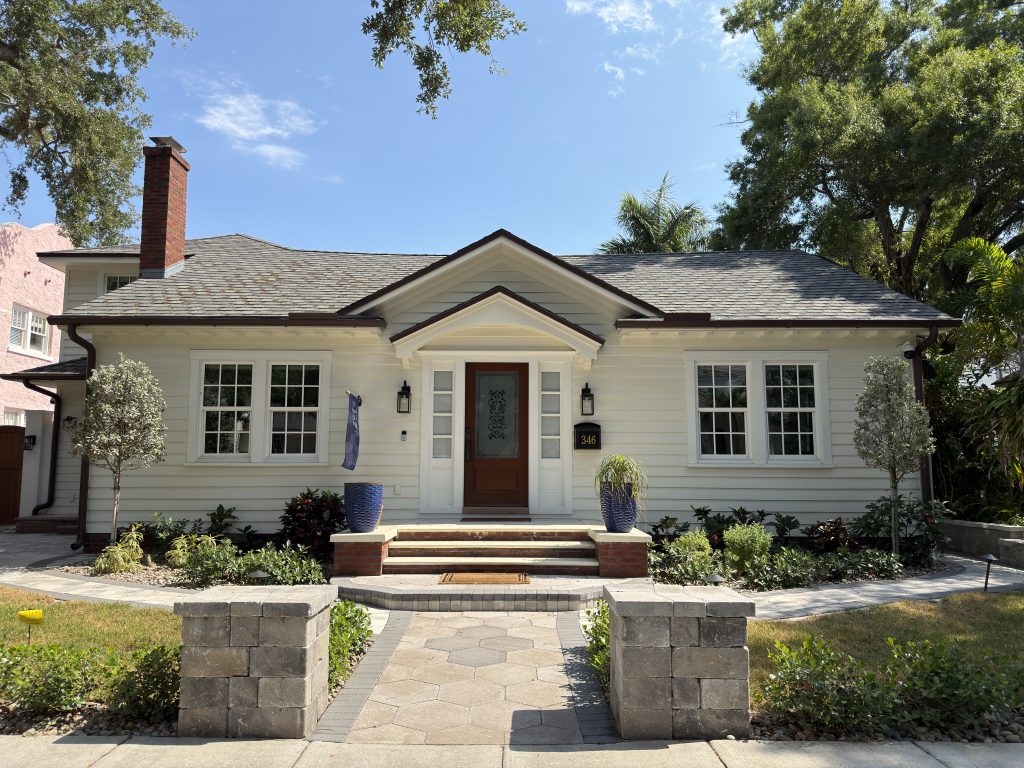
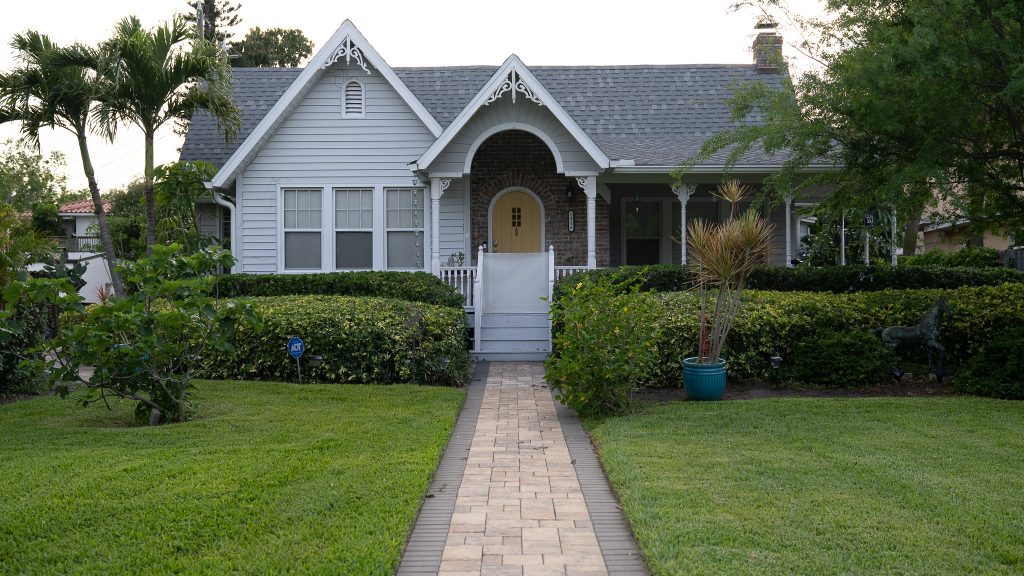
Selling a historic home in Tampa Bay is not the same as selling a newer-construction home, and the agents who treat it as the same routinely leave meaningful money on the table. I’ve watched it happen from both sides — as a specialist in these homes, and as the agent clients sometimes call after their original listing expired without selling. The pattern is consistent. A historic home marketed like a tract home sits. A historic home marketed like what it actually is — a distinctive, architecturally significant property with a specific buyer pool — sells, often at prices that surprise the owners who had started to worry the market had moved past them.
What separates a successful historic home sale from an unsuccessful one isn’t usually the home itself. It’s the preparation, the pricing, the marketing, the timing, and above all the representation. After years of specializing in Tampa Bay’s historic and character homes, here’s what I’ve learned actually matters when it’s time to sell one.
Understand That Your Home Has a Specific Buyer, Not a General One
The single most important thing to understand about selling a historic home is that your buyer is not the generic Florida buyer who starts a home search on Zillow filtering by bedrooms and square footage. Your buyer is more specific than that — and reaching them requires more specific marketing than a standard listing provides.
The buyer for a restored Craftsman bungalow in Old Seminole Heights is fundamentally different from the buyer for a new construction home in Westchase. The buyer for a Mediterranean Revival estate on Snell Isle is fundamentally different from the buyer for a waterfront condo in Downtown St. Pete. These buyers value different things, search differently, respond to different marketing, and come from different geographic origins. Many of them — particularly for the most architecturally significant homes — come from out of state specifically looking for what Tampa Bay offers.
For sellers, this has practical implications. Generic MLS language (“beautiful 3-bedroom home with updated kitchen”) dramatically underperforms specific architectural language (“contributing 1925 Craftsman bungalow with original longleaf pine floors, period-appropriate front porch, and updated kitchen that respects the home’s architectural integrity”). Generic real estate photography dramatically underperforms architectural photography that captures original detail. A standard 30-day listing timeline often underperforms the longer, more patient process that architecturally significant properties actually require.
What to do: Before you list, have a frank conversation with your agent about who the buyer for your specific home actually is, where they’re coming from, and how your marketing will reach them. If your agent’s answer is “we’ll put it on the MLS and wait,” interview more agents.
Get Your Pricing Right Before Anything Else
Pricing a historic home correctly is harder than pricing a standard home because the typical comparative market analysis (CMA) approach — finding similar homes that sold recently and adjusting for differences — doesn’t work as well when the home you’re pricing is architecturally distinctive.
What makes a 1922 Spanish Revival in Palma Ceia comparable to another 1922 Spanish Revival, versus a 1985 traditional in the same neighborhood? What’s the actual premium for a contributing home inside the Old Seminole Heights Historic District versus a non-contributing home next door? How do you value original architectural features — built-in cabinetry, longleaf pine floors, original tile work — that simply don’t exist in newer comps?
The honest answer is that it requires judgment, market knowledge, and familiarity with how specific historic-home buyers actually value specific features. A pricing strategy that treats a historic home as “a home with some old features” rather than “a specific architectural property” consistently underprices the top of the market and overprices the middle.
Two specific pricing realities in 2026 Tampa Bay worth flagging. First, the post-Helene bifurcation we’ve discussed elsewhere on this site applies strongly to historic homes: elevated, mitigated, and non-flood-zone homes command clear premiums over comparable historic homes with storm exposure or storm history. Second, the market has moved away from the 2021-2022 peak — homes priced based on those peak comps consistently sit. Accurate current pricing is essential.
What to do: Work with an agent who has specific experience with your neighborhood’s historic inventory and who can walk you through comparable sales at a level beyond generic CMA output. Expect substantive conversation about flood zone status, historic district contributing designation, architectural authenticity, and buyer demographics — not just a per-square-foot calculation.
Prepare the Home Strategically — But Don’t Over-Renovate
Seller preparation of a historic home walks a narrow line. On one side, homes that show poorly — peeling paint, deferred exterior maintenance, visible issues — sell for substantially less than homes that show well. On the other side, major pre-sale renovations rarely return their investment, and in the specific case of historic homes, aggressive renovation often damages the very architectural character that buyers are paying premiums for.
The right preparation strategy for a historic home usually focuses on four areas.
First, thorough cleaning, painting, and presentation. A professional deep clean, touch-up painting of trim and interior surfaces, professional landscaping maintenance, and careful staging that respects the home’s architectural character all return their investment reliably. Historic homes photograph best when they’re clean and uncluttered — let the architecture be the star rather than competing with an overfilled interior.
Second, address obvious deferred maintenance. A roof approaching end of life, an aging HVAC system, peeling exterior paint, or a deck showing rot will all show up in buyer inspections and become negotiating leverage. Fixing these items pre-listing typically costs less than the price reductions buyers will extract once they appear in an inspection report.
Third, highlight — don’t hide — original architectural features. Uncover original hardwood floors if they’ve been carpeted over. Remove wallpaper that’s hiding original plaster walls. Polish original hardware and fixtures. Take photographs that specifically document original tile work, built-in cabinetry, fireplaces, and architectural details. These are the features your buyer is paying for — show them off.
Fourth, resist the temptation to modernize. A 1920s kitchen that has been gradually updated over decades but still reflects the home’s period character will often outperform a freshly redone contemporary kitchen that clashes with the rest of the home. Buyers of historic homes routinely budget for their own renovations — they don’t want (and won’t pay for) a previous owner’s recent renovation that doesn’t match their own taste. Let them imagine their own changes rather than forcing your vision on them.
What to do: Walk the home with your listing agent specifically to identify preparation priorities. The test for any proposed improvement should be: “Will this actually return its investment, and does it preserve or damage the home’s architectural character?”
Invest in the Right Marketing — Architectural Photography Is Not Optional
The single biggest marketing mistake historic home sellers make is accepting standard real estate photography. Standard photography — wide-angle shots of rooms, front exterior shots from across the street, bright flash lighting that flattens every architectural detail — consistently undersells historic homes because it treats them like any other property.
Architectural photography is different. It captures the specific details that make a historic home distinctive: the proportions of a room, the quality of natural light, the texture of original materials, the craftsmanship of built-in details, the way a front porch connects to the street. Done well, architectural photography transforms the way a listing reads and directly affects both the volume and quality of buyer interest.
A few additional marketing elements that matter specifically for historic homes:
Cinematic video. For significant historic properties, a properly produced walkthrough video goes beyond the standard MLS virtual tour. The right video captures both the architectural experience and the sense of place — the neighborhood, the streetscape, the context that makes the home what it is.
Narrative listing copy. The listing description should tell the home’s story, not just list its features. Architectural style, period details, historic district status if applicable, notable original features, and the neighborhood’s character all belong in the narrative. This kind of copy attracts the design-conscious and history-conscious buyer segments who are actively looking for what your home offers.
Professional signage and print. Yard signs, open house signage, and print marketing still matter for historic home sales — much of this buyer pool drives neighborhoods specifically looking for character homes, and physical presence reinforces the listing’s seriousness.
Pre-market exposure. Compass’s Private Exclusive and Coming Soon programs specifically target this gap — reaching qualified buyers (including the national network of Compass agents with clients actively looking for historic Florida properties) before a listing hits the open MLS. For sellers of distinctive historic homes, this pre-market window often generates the strongest initial interest and positions the listing to launch from a position of strength when it goes live.
What to do: Don’t accept standard real estate marketing for a historic home. Ask to see your agent’s portfolio of historic home listings, specifically the photography and listing copy. If the work doesn’t rise to the level of the home you’re selling, find an agent whose work does.
Prepare for the Due Diligence Process
Buyers of historic homes conduct more thorough due diligence than buyers of newer homes — and sophisticated historic home buyers in 2026 Tampa Bay conduct more thorough due diligence than sophisticated buyers did five years ago. Post-Helene flood considerations, post-Surfside condo legislation where applicable, historic district review requirements, insurance underwriting realities, and simple concerns about old-home maintenance all combine to create a more demanding inspection and disclosure environment.
Sellers who prepare for this proactively position their sale much better than sellers who let each buyer discover issues independently.
Pull your documents in advance. Elevation certificate, wind mitigation inspection, four-point inspection, current survey, any prior inspection reports, homeowners insurance policy and claims history, flood insurance if applicable, historic district designation paperwork if applicable, building permit history for significant past work, and any architectural approvals for past modifications. Having this package ready when the first serious buyer asks signals professionalism and removes friction from the transaction.
Be honest about known issues. Florida’s seller disclosure requirements are substantial, and attempting to conceal known issues almost always backfires — either during the buyer’s inspection, during appraisal, or after closing through litigation. Disclose known issues clearly, price appropriately given those disclosures, and let the buyer pool self-select rather than trying to surprise buyers late in the process.
Understand post-Helene implications specifically. If your home flooded in Helene or if your property sits in a high-risk FEMA flood zone, this will come up. Addressing it proactively — with documented remediation, elevation certificates, current mitigation status, and insurance information — is substantially more effective than letting buyers discover these details piecemeal and assume the worst.
What to do: Work with your agent to build a full seller’s disclosure package before listing. A well-prepared disclosure package accelerates transactions and reduces price reductions during the due diligence phase.
Choose the Right Timing
Tampa Bay’s historic home market has seasonal patterns like most real estate markets, but with some specific considerations worth knowing.
The traditional spring selling season (roughly March through May) generally produces the strongest buyer volume for historic homes. Families with school-age children often need to close by mid-summer, and the weather during spring is ideal for architectural photography, open houses, and out-of-state buyer tours.
The winter snowbird season (roughly December through February) is particularly strong for historic waterfront properties and for homes likely to attract second-home and retirement buyers from the Northeast and Midwest. If your home is the kind of property that a Chicago or New York buyer is likely to want, listing during peak snowbird season can be genuinely effective.
Late summer (August through early October) is the weakest period for historic home sales in Tampa Bay. Buyer activity slows, the heat makes open houses less pleasant, and hurricane season anxiety affects buyer psychology in ways that depress offers.
These are general patterns, not rules. A compelling historic home priced correctly can sell in any season. But if you have flexibility in your timing, aligning with the stronger selling windows typically produces better results.
What to do: Discuss timing strategy with your agent specifically. Aligning your listing date with both seasonal patterns and your home’s specific buyer profile (snowbird vs. relocating family vs. design-conscious local move) can meaningfully affect outcome.
Don’t Underestimate the Value of Patience
Historic homes often sell more slowly than newer homes, and that slower pace isn’t necessarily a problem — it’s a feature of the market. The buyers who pay premiums for architecturally significant properties often take longer to move through their decision process. They visit multiple times. They bring architects or contractors to evaluate original details. They research the home’s history. They weigh their decision more deliberately than buyers of newer homes.
Sellers who panic at 45 or 60 days on market and slash prices aggressively often end up leaving money on the table. The right patience level — combined with correct initial pricing and strong ongoing marketing — often produces the strongest final sale price even if the timeline is longer than a conventional sale.
That said, patience is not the same as inaction. A listing that isn’t moving after 30 to 45 days deserves honest diagnosis — is the pricing wrong, is the marketing reaching the right buyers, is the preparation insufficient, or is it genuinely just the specific buyer pool taking time? Different diagnoses call for different responses.
What to do: Set expectations about timeline at listing. Build in regular review checkpoints with your agent (typically at the 30, 60, and 90-day marks) to honestly assess whether any strategic adjustments are warranted. Panic is not a strategy; patient adaptation is.
Work With an Agent Who Actually Understands Historic Homes
The consistent thread through everything above is that selling a historic home well requires representation that actually understands what the home is, who buys it, and how to reach them. Generic real estate representation — however skilled in general — consistently underperforms specialized representation in this specific market segment.
The questions worth asking any agent you’re considering for a historic home listing:
- How many historic home listings have you handled in the past two to three years?
- Can I see your marketing portfolio for those homes specifically — photography, listing copy, video?
- What’s your experience with flood zones, historic district designation, and the specific regulatory and preservation issues my home faces?
- How do you reach out-of-state and design-conscious buyers specifically?
- What’s your plan for pre-market marketing, and do you have access to programs that reach qualified buyers before the listing goes public?
- What’s your working relationship with inspectors, contractors, insurance agents, and other professionals familiar with historic homes?
The answers tell you quickly whether you’re talking with a specialist or a generalist. For a significant historic home sale, the difference between the two often translates directly into the difference between a transaction that maximizes your home’s value and one that leaves meaningful money on the table.
The Bigger Picture
Historic homes in Tampa Bay are, to put it plainly, irreplaceable. They represent architectural, cultural, and community heritage that cannot be reproduced. The buyers who will eventually own them — the next stewards in the chain of ownership that connects the home’s original builder to its distant future — are a specific pool of people, often nationally distributed, who respond to these homes in ways generic buyers don’t.
Selling a historic home successfully means reaching that buyer pool, presenting the home in a way that respects what it is, pricing it according to what the specific market will bear, and negotiating on behalf of the seller’s actual interests rather than the transaction’s default path.
That’s the work. And when it’s done well, the results speak for themselves.
Ready to Sell Your Historic Home?
If you’re considering selling a historic home in Tampa Bay — whether you’re early in the planning process or ready to list — I’d be glad to have the conversation. Every historic home sale is specific, and the strategy that fits your home, your neighborhood, and your timing is worth thinking through carefully before committing to a particular path.
Call 727-871-SOLD (727-871-7653) or reach out through the Contact page to start the conversation or visit me on the web www.MiddletonTampaBay.com