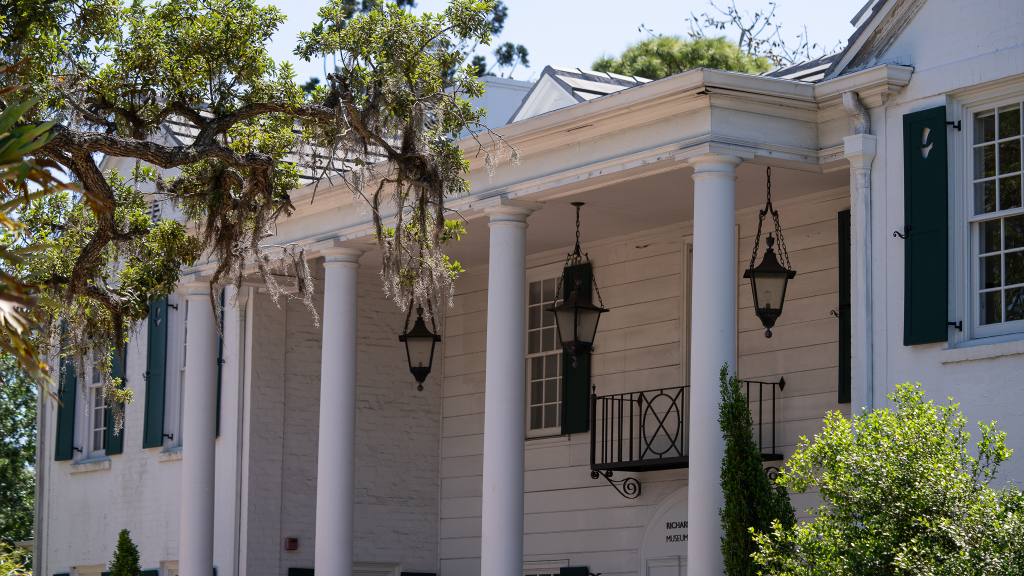
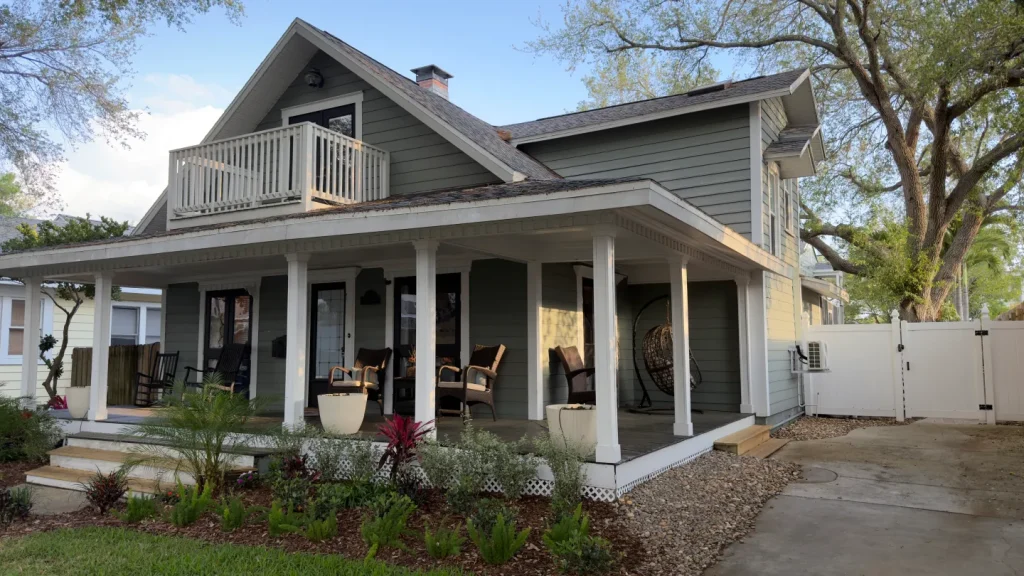
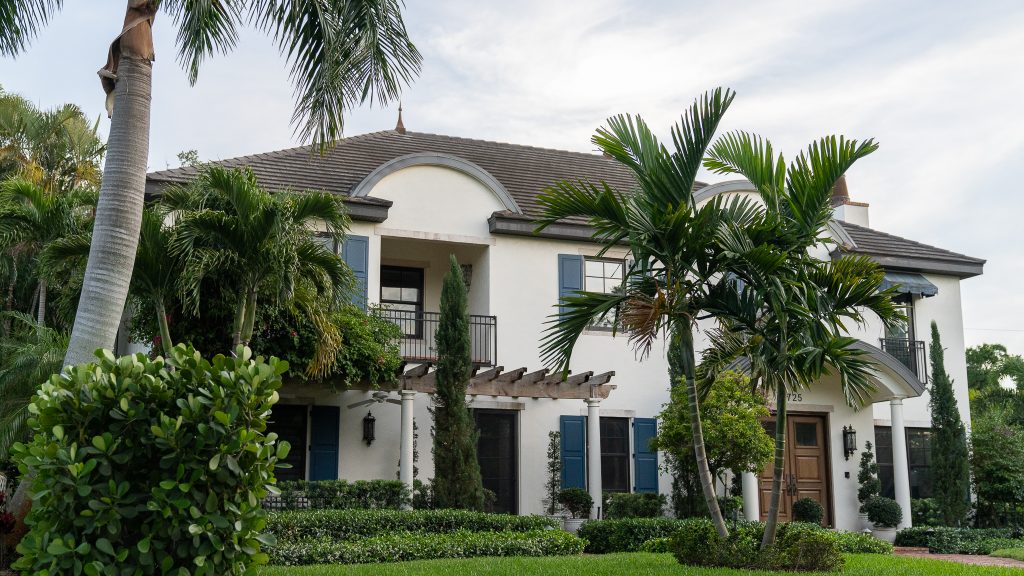
Every historic home renovation is a negotiation between two legitimate goals. On one side, the home needs to work for how you actually live in 2026 — which often means modernized kitchens, updated bathrooms, functional HVAC, impact-rated windows, adequate electrical capacity, and the practical comforts of contemporary life. On the other side, the home’s architectural character, original materials, and historical integrity are precisely what make it valuable and distinctive. Renovate too conservatively and you end up with a beautiful museum you can’t comfortably live in. Renovate too aggressively and you strip away the very features that made the home worth buying.
Getting the balance right is harder than most buyers realize, and the wrong renovation decisions can cost Tampa Bay historic homeowners meaningful money — both in immediate renovation costs that don’t return their investment, and in eventual resale value when future buyers discover that the home’s original character has been quietly erased.
After years of working with historic home buyers, sellers, and owners across Tampa Bay, I’ve watched which renovation approaches work and which ones don’t. What follows is the framework I wish every historic homeowner understood before beginning a major renovation project.
Start with Understanding Your Home’s Preservation Status
Before you plan any renovation, you need to know exactly what preservation rules apply to your property. This is the single most important piece of information you can establish, because it determines what you can and cannot do with your home.
If your home sits inside a designated historic district — Old Seminole Heights, Hyde Park, Ybor City, Historic Old Northeast, Historic Kenwood, and others across the region — exterior modifications are typically subject to review by your local Architectural Review Commission or equivalent body. The process varies by jurisdiction, but the general reality is that significant exterior changes require approval before work begins, and unapproved work can result in required restoration at the owner’s expense.
The key distinction within historic districts is contributing versus non-contributing status. Contributing homes — those that retain enough original architectural character to be considered historically significant — face the full preservation review. Non-contributing homes generally face less restrictive requirements. Understanding which status your home holds is foundational.
Outside designated districts, you have significantly more freedom. But “freedom” doesn’t mean you should renovate without consideration of historic character — it just means the decisions are yours rather than your preservation commission’s. The future buyers for your home will still evaluate what you’ve done against the home’s original character, and inappropriate modifications will affect resale regardless of whether they were technically permitted.
What to do: Research your home’s specific historic district status, contributing designation if applicable, and local preservation review requirements before you hire an architect or contractor. Your city’s historic preservation office, neighborhood association, or a preservation-experienced agent can confirm what applies to your property.
Know the Difference Between Restoration, Rehabilitation, and Renovation
Preservation language matters, and understanding the distinctions helps clarify what you’re actually trying to accomplish.
Restoration means returning a home to a specific historical period, typically its original construction. This is the most conservative approach, usually associated with museum properties or homes of exceptional historical significance. Restoration projects preserve or recreate original features, reverse later modifications, and aim for period accuracy.
Rehabilitation means updating a home for contemporary use while preserving its significant historical features. This is the approach most Tampa Bay historic homeowners actually want — maintaining the home’s architectural character and its most important original features while modernizing systems, adding contemporary amenities, and making the home comfortable for 2026 living. The Secretary of the Interior’s Standards for Rehabilitation, published by the National Park Service, provide the foundational framework most preservation commissions use.
Renovation is the broadest term — any substantial modification to a home. Without specific preservation intent, renovation can damage historic character as easily as preserve it.
For most Tampa Bay historic homeowners, rehabilitation is the right approach. You’re not creating a museum; you’re creating a contemporary home that respects what the property actually is. Understanding this distinction shapes every subsequent decision.
What to do: Decide explicitly what you’re trying to accomplish before you begin designing or budgeting. “We’re rehabilitating this home” sets different design expectations than “we’re renovating this home,” and the distinction guides every contractor, architect, and design conversation that follows.
Prioritize Preservation of Irreplaceable Original Features
Certain original features are genuinely irreplaceable — meaning that once you remove them, no amount of later investment can replicate what you had. These features deserve the highest preservation priority regardless of renovation budget or contractor recommendations.
Original wood windows. Properly maintained, original wood windows — particularly historic multi-pane double-hung windows with counterweight sash cords — often outlast modern replacements and contribute significantly to architectural integrity. The impulse to “replace drafty old windows with efficient modern ones” has destroyed more historic character in American homes than any other single renovation decision. A properly restored original window with good storm protection (exterior storm windows or interior panel inserts) can match or exceed the energy performance of vinyl replacement windows while preserving irreplaceable character.
Original hardwood floors. Tampa Bay’s early-20th-century homes often feature longleaf pine flooring — a material essentially unavailable today except through reclaimed sources. Original longleaf pine is denser, more durable, and more characterful than any modern wood flooring. Refinishing original floors is nearly always the right choice; replacing them is almost always wrong.
Original millwork, doors, and hardware. Built-in bookcases, window seats, period trim, original interior doors, and original door and window hardware are among the features that most clearly signal a home’s architectural pedigree. Buyers paying premiums for historic homes are specifically paying for these features. Removing them or covering them with modern finishes systematically destroys value.
Original tile work and masonry. Period bathroom tile, original kitchen tile, decorative fireplace surrounds, and masonry details cannot be replaced without dramatic cost and usually imperfect results. Preserve these features unless they are genuinely non-functional.
Original porches and architectural exterior features. Craftsman porches with tapered columns on stone piers, Mediterranean Revival arched doorways, Spanish Eclectic wrought iron balconies, Colonial Revival pedimented entries — these are the features that define the home’s style from the street. Enclosing original porches, replacing original doors, or removing original exterior details fundamentally changes what the home is.
What to do: Before beginning any renovation, walk your home with specific attention to original features. Document them photographically. Make a preservation list that identifies what will be preserved regardless of other renovation decisions. Share this list with your architect, contractor, and anyone else involved in the project.
Identify What Actually Needs to Be Modernized
Once you’ve protected the irreplaceable original features, identify honestly what the home genuinely needs modernized. Not everything needs updating, and over-renovation is as much a mistake as under-renovation.
The systems that nearly always benefit from modernization:
Electrical. Homes with knob-and-tube wiring, substantially undersized panels, or aluminum branch circuit wiring from the 1970s should typically be rewired to current code. This is both a safety issue and an insurance issue — some carriers will not write policies on homes with outdated electrical systems.
Plumbing. Original cast iron or galvanized plumbing approaching 80 to 100 years of age is usually at or past end of useful life. Replacement with modern piping systems preserves the home’s functionality without affecting architectural character (the work is nearly all hidden).
HVAC. Original homes were designed for different climate expectations and different human comfort assumptions. Modern HVAC dramatically improves livability, but requires thoughtful planning to avoid visible equipment placement, bulky ductwork that damages interior ceilings and walls, or mechanical penetrations that mar exterior facades. Mini-split systems, high-velocity small-duct systems, and carefully routed traditional ductwork all offer solutions that preserve architectural integrity.
Insulation and weatherization. Most historic homes benefit from strategic insulation upgrades — attic insulation particularly — that meaningfully improve energy performance without affecting architectural character. Aggressive insulation approaches that damage original walls are usually unnecessary and often counterproductive.
Kitchens and bathrooms. The most common renovation priorities in historic homes, and the rooms where the restoration-vs-modernization tension is highest. For kitchens, consider period-appropriate cabinetry styles, materials that match the home’s era, and layouts that respect original room proportions. For bathrooms, decide whether you’re preserving original tile and fixtures (where they exist and function) or designing period-sensitive new spaces.
What to do: Identify the systems and spaces that genuinely need modernization for functionality, safety, or insurance reasons. Distinguish between those and the cosmetic changes you might want for preference reasons. Budget accordingly.
Choose Contractors Who Actually Work on Historic Homes
This point appeared in our earlier post on owning a historic home, but it bears direct emphasis in renovation context. The contractor you select may be the single most important decision in your entire renovation project.
Most Florida contractors are built for new construction and standard remodeling. They know how to frame with modern lumber, install modern windows, run modern HVAC through modern drop ceilings, and deliver a code-compliant kitchen renovation on schedule. Many of them are genuinely skilled at that work.
Very few of them know how to work with lath and plaster walls, original wood floors from longleaf pine, sash windows with weight cords, historic masonry, or the specific code exceptions that apply to designated historic properties. The contractor whose first instinct is “we’ll just tear that out and replace it” is not the contractor for your project. The contractor who asks about your home’s history, asks to see examples of similar homes they’ve worked on, and offers preservation-conscious solutions is the one you want.
Practical screening questions:
- How many historic homes have you worked on in Tampa Bay?
- Can you show me photographs of completed projects similar to mine?
- What’s your approach to preserving original features versus replacing them?
- Do you have relationships with preservation-specialized subcontractors (plasterers, window restorers, specialty painters, masons)?
- Are you familiar with the Secretary of the Interior’s Standards for Rehabilitation?
- Have you worked with the local historic commission on approval processes?
The answers quickly distinguish preservation-experienced contractors from generic remodelers. For a significant renovation on a historic home, this distinction affects everything — craftsmanship, preservation outcomes, final cost, timeline, and whether the finished work will pass preservation review if applicable.
What to do: Interview at least three contractors. Check references specifically with past historic home clients. Visit a completed project if possible. Ask for detailed written proposals that specify preservation approaches for key features. Pay more for the right contractor if necessary — the cost difference is almost always smaller than the value difference in the finished work.
Plan for Longer Timelines and Higher Costs Than Standard Renovations
Historic home renovations take longer and cost more than standard renovations. This is not a flaw — it’s a predictable reality that should be budgeted and scheduled accordingly.
Why historic renovations cost more:
- Original materials are harder to source and often require specialty suppliers or reclamation.
- Specialty contractors (plasterers, window restorers, period-appropriate millwork craftsmen) charge higher rates than generic remodelers.
- Hidden conditions are more common — original walls sometimes conceal prior water damage, termite work, or failed previous repairs.
- Preservation review processes can extend timelines by weeks or months depending on jurisdiction.
- Matching original materials (brick, stone, tile, plaster, wood species) often requires custom work rather than off-the-shelf products.
Why historic renovations take longer:
- Review approvals take time, particularly in the most restrictive historic districts.
- Specialty contractors are in limited supply and often booked months ahead.
- Discoveries during work often require design adjustments and change orders.
- Restoration-quality work is inherently slower than standard work.
Realistic budget buffer for historic renovations: 20 to 30 percent above initial estimates, and timelines that account for 30 to 50 percent longer than comparable new-construction work. Budgets that don’t include this contingency routinely end in frustration, compromised decisions, and projects that stall partway through.
What to do: Before beginning, build realistic budget and timeline estimates that specifically account for historic-home variables. If your budget doesn’t support the work you’re planning to do, scope the project down rather than cutting corners on preservation quality.
Plan Kitchens and Bathrooms Thoughtfully
Kitchens and bathrooms are where the most common renovation mistakes happen, because they’re the rooms where contemporary functionality most clearly conflicts with historical aesthetic.
Kitchens in historic homes benefit from thoughtful integration of contemporary functionality within period-sensitive design. A 1920s Craftsman bungalow kitchen doesn’t need to be a museum reconstruction, but it also shouldn’t feel like a 2025 suburban kitchen transplanted into a historic shell. Design approaches that work well:
- Cabinetry proportions and styles that reference the home’s architectural period (Shaker-style cabinets in Craftsman homes, simpler panel styles in Colonial Revival homes, more ornamented styles in Victorian homes).
- Appliances that blend rather than dominate — panel-front refrigerators, counter-height appliances where possible, integrated range hoods.
- Countertop materials that feel period-appropriate (soapstone, honed marble, butcher block for period-appropriate contexts) rather than defaulting to contemporary granite or quartz.
- Lighting that combines functional task lighting with period-appropriate decorative fixtures.
- Hardware that matches the home’s overall aesthetic.
Bathrooms in historic homes similarly benefit from period-sensitive design when original bathrooms are being renovated or new bathrooms added. Approaches that work:
- Clawfoot tubs, pedestal sinks, or console sinks in period-appropriate contexts.
- Subway tile (early 20th century appropriate), hex tile, or period-patterned tile flooring.
- Traditional fixtures in chrome, polished nickel, or unlacquered brass rather than contemporary brushed nickel or matte black.
- Original mirrors or period-appropriate mirrors when possible.
- Wall-mounted vanities that reference historic proportions.
Where original kitchens or bathrooms exist and function, the decision tree is different — does the original space work for your life, or does it need reconfiguration? Original 1920s tile and fixtures in working condition are often among the home’s most valuable features, and aggressive modernization that discards them systematically reduces future resale value.
What to do: For major kitchen or bathroom work, invest in an architect or designer with historic home experience. Good design costs money upfront but protects the home’s character and resale value substantially.
Think About Energy Efficiency Strategically
Energy efficiency improvements to historic homes require more strategic thinking than new-construction efficiency upgrades. Many standard efficiency recommendations — replacing original windows with vinyl replacements, aggressive wall insulation that damages original plaster, modern house-wrap approaches to air sealing — are either damaging to historic character or genuinely counterproductive in historic construction.
Energy upgrades that work well for historic homes:
Attic insulation is almost always the highest-impact efficiency upgrade, typically with no effect on architectural character. Modern cellulose or mineral wool attic insulation dramatically improves thermal performance.
Storm windows or interior window inserts for original wood windows typically match or exceed replacement window performance while preserving original character. Several manufacturers now offer high-quality interior window panels specifically designed for historic homes.
Air sealing through targeted caulking, weatherstripping, and attic bypass sealing dramatically improves performance without affecting visible architecture.
HVAC upgrades to modern high-efficiency systems — carefully designed to fit the home’s layout — deliver substantial efficiency improvements.
Strategic window treatments (insulating shades, curtains, interior storm panels) add thermal performance at low cost without affecting the exterior.
Solar can work on historic homes but requires preservation-commission approval in most districts and careful placement to minimize visibility from the street.
Energy upgrades to avoid:
Vinyl replacement windows of original wood windows. Almost always destructive to architectural character and rarely pay back their investment through energy savings before the replacements themselves need replacement.
Aggressive exterior insulation that changes the home’s facade proportions.
Blown-in wall insulation in lath-and-plaster walls without understanding the specific construction — can cause moisture problems that damage original plaster.
What to do: Consult an energy efficiency specialist who works with historic homes specifically, not a general insulation contractor. The strategies that work are specific, and generic efficiency approaches often do more harm than good.
Document Everything
Every renovation decision should be documented for both current and future purposes.
Documentation to maintain during renovation:
- Pre-renovation photographs of original conditions.
- Receipts and specifications for all materials used.
- Contractor contracts and change orders.
- Architectural drawings and design specifications.
- Preservation commission approvals and correspondence.
- Building permits for all permitted work.
- Photographs of concealed work (framing, plumbing, electrical, insulation) before closing walls.
- Post-renovation photographs of completed work.
This documentation serves several purposes. First, it protects you legally if disputes arise with contractors. Second, it informs future maintenance and renovation decisions by your future self or subsequent owners. Third, it dramatically enhances the home’s eventual resale value — buyers of historic homes specifically value documented preservation and renovation history.
What to do: Maintain a renovation file throughout the project. Digital is fine; physical folder for key documents is better. Photograph systematically. The documentation you create during renovation becomes one of the home’s most valuable long-term assets.
Think About Long-Term Value Throughout
Every renovation decision has a future-resale implication, and the buyers who will eventually purchase your home from you will evaluate your renovation work against specific standards.
Renovations that enhance long-term value:
- Preservation or restoration of original features.
- Period-sensitive design that respects the home’s architectural character.
- Documented preservation work with receipts, approvals, and photographs.
- System modernizations that are well-done and concealed from view.
- Kitchen and bathroom work that balances modern functionality with period aesthetic.
Renovations that damage long-term value:
- Replacement of original windows with vinyl or aluminum.
- Removal of original built-ins, trim, hardware, or architectural details.
- Modernization of period-appropriate rooms into contemporary spaces.
- Enclosure of original porches, particularly front porches on Craftsman homes.
- Unpermitted additions or modifications.
- Aggressive “open concept” renovations that remove original wall systems defining period room proportions.
The buyers who pay premium prices for historic homes in Tampa Bay are specifically paying for architectural authenticity. Renovations that enhance or preserve authenticity build value. Renovations that erase authenticity destroy it.
What to do: Before every major renovation decision, ask: will this make the home more valuable to the specific buyer most likely to want it, or will it reduce the home’s appeal to that buyer pool? The question has a different answer for historic homes than for generic homes, and the answer should guide the decision.
The Bigger Picture
A historic home renovation done well is one of the most rewarding projects an owner can undertake. You’re not just improving a property for your own use — you’re continuing the work of maintenance, preservation, and adaptation that has kept the home standing for decades or a century. Your renovation becomes part of the home’s documented history, affecting everyone who owns it after you.
Done thoughtfully, the work adds comfort and functionality without diminishing the architectural character that made the home worth owning in the first place. Done poorly, the work erodes the home’s essential quality in ways that future owners often cannot reverse.
The framework above is how you stay on the right side of that line.
Planning a Historic Home Renovation in Tampa Bay?
If you’re considering a historic home renovation — or evaluating a potential purchase where renovation is part of your plan — I’d be glad to discuss the specifics. Every historic home renovation is different, and the right approach depends on the home, the neighborhood, the preservation requirements, and what you’re actually trying to accomplish.
Call 727-871-SOLD (727-871-7653) or reach out through the Contact page to start the conversation.