
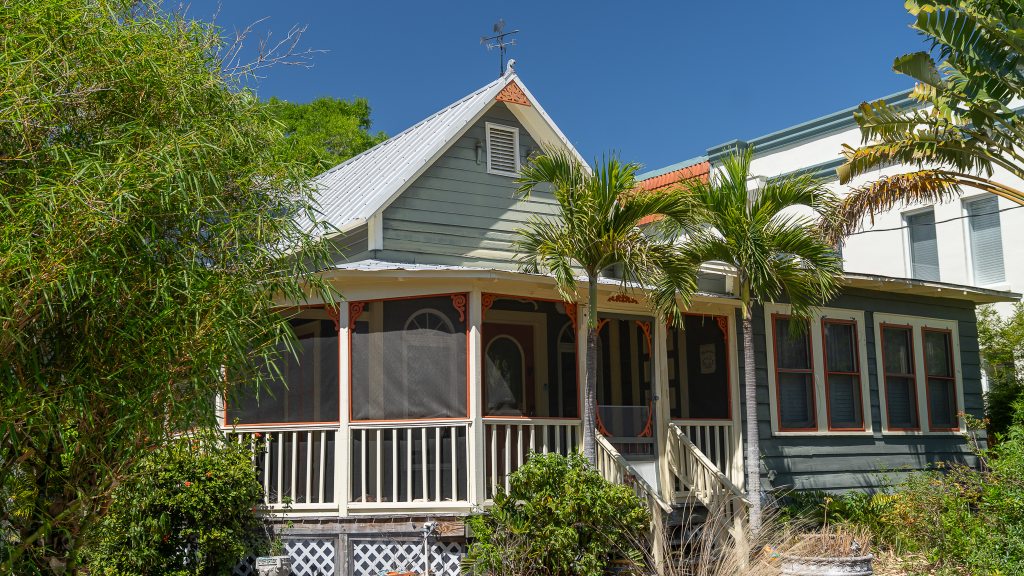
Owning a historic home in Tampa Bay is one of the most rewarding things you can do as a homeowner in this region. You become the steward of a piece of architecture that was here long before you arrived and will likely be here long after you leave. You live inside the material record of how Tampa Bay actually came to be. And you participate in a kind of homeownership that almost nobody in Florida — where the average home was built after 1990 — gets to experience.
You also, to be honest with you, take on a specific set of responsibilities and realities that newer-construction homeowners don’t face. Historic homes have opinions. They come with preservation rules, insurance complexities, maintenance cycles, and flood-zone considerations that nobody warns you about at the closing table. After decades of working with historic-home buyers and sellers across Dunedin, St. Petersburg, Tampa, and the broader region, I’ve learned which tips genuinely matter and which are just generic real estate blog noise.
What follows is what I actually wish every historic-home owner in Tampa Bay knew before they bought — and what every current owner should be thinking about going into 2026.
1. Understand Whether Your Home Is “Contributing” or “Non-Contributing”
If your home sits inside a designated historic district — Old Seminole Heights, Hyde Park, Ybor City, Historic Old Northeast, Historic Kenwood, and others across the region — your property is classified as either “contributing” or “non-contributing” to the district.
A contributing home is one that retains enough of its original architectural character to be considered historically significant. A non-contributing home is either newer construction built within the district boundary or a historic home that has been altered enough to lose its original character.
This distinction matters for real reasons. Contributing homes typically face exterior modification review requirements — you can’t just replace windows, change a roofline, or alter the facade without approval from the local Architectural Review Commission or equivalent body. This is a preservation asset for the neighborhood and often a value asset for the home (well-informed buyers pay premiums for properly preserved contributing properties), but it means you can’t renovate the way you might in a non-designated neighborhood.
Contributing status also opens access to historic preservation tax credits for qualifying restorations — a genuine financial benefit that most historic homeowners don’t fully understand or use.
What to do: Find out your home’s specific status and district designation. Your city’s historic preservation office or local historic district association can tell you definitively. If you don’t know and you own within a designated district, find out this week.
2. Get a Real Handle on Your Flood Zone — Especially After Helene
Every historic home in Tampa Bay sits somewhere on the flood-zone spectrum, and where yours sits affects insurance costs, resale value, and the practical realities of ownership more than almost any other single factor.
The post-Helene Tampa Bay market has bifurcated sharply. Homes that flooded, or that sit in high-risk FEMA flood zones without elevation or mitigation, are trading at discounts and taking longer to sell. Homes in Flood Zone X (where no flood insurance is required), or homes that have been elevated and properly mitigated, are commanding premiums. The gap between the two tiers has widened substantially since September 2024.
For historic-home owners specifically, this creates a complication: many historic neighborhoods were built in the era before FEMA flood mapping existed, on ground that seemed appropriate at the time but doesn’t necessarily meet 2026 insurance underwriting standards. Snell Isle, for example, sits 98% in flood zones. Parts of Old Seminole Heights, Crescent Lake, and Palma Ceia, on the other hand, sit substantially in Flood Zone X — a real and increasingly valuable distinction.
What to do: Pull your elevation certificate if you have one, or commission one if you don’t. Know your specific FEMA flood zone designation (not just “near the water” or “inland” — the actual zone letter and number). Understand your insurance history and any prior flood claims on the property. If you’re considering renovation, think carefully about elevation, impact windows, flood vents, and other mitigation strategies that both protect the home and reduce insurance costs.
3. Rethink Your Insurance — and Review It Annually
Insurance for historic homes in Florida is genuinely more complicated than insurance for newer construction, and the situation has gotten harder every year since 2022.
A few realities you should know. First, many standard homeowners insurance carriers have pulled back from older Florida homes entirely — some will not write policies on homes built before 1940 at any price. Second, replacement cost coverage on a historic home is genuinely expensive because like-kind replacement (original materials, original craftsmanship) costs substantially more than standard construction. Third, wind mitigation inspections can dramatically reduce your insurance premium if your home has (or can add) impact windows, a hip roof, proper roof-to-wall connections, and other mitigation features documented on an inspection report.
Fourth, citizens insurance is not your friend in the long run. Florida’s insurer of last resort has been pushing policyholders back to the private market aggressively, and depending on Citizens as a permanent solution is increasingly risky.
What to do: Work with an insurance agent who specializes in historic Florida homes — not a generic online broker. Get a wind mitigation inspection if you haven’t in the last five years (or if you’ve made roof, window, or structural improvements). Shop your policy every 12 to 18 months. Consider whether mitigation upgrades would pay back through reduced premiums faster than their cost.
4. Learn What’s Actually Original — And What Isn’t
One of the most common mistakes historic-home owners make is treating every existing feature as “original” and therefore sacred. In reality, most Tampa Bay historic homes have been modified many times over their lifespans. Kitchens from the 1920s were rebuilt in the 1950s and again in the 1980s and again in the 2000s. Windows have been replaced multiple times. Porches have been enclosed, outbuildings added, additions built, bathrooms reconfigured.
Knowing what’s genuinely original to the home — and what’s a later modification — helps you make smarter restoration decisions. Preserving a 1990s faux-Victorian addition because “it was there when we bought the place” often makes less sense than restoring to the actual 1925 footprint. Conversely, a feature you might dismiss as dated might actually be an original element worth preserving at considerable cost.
What to do: Commission a historic structure report, or at minimum research your home’s history through your local historical society, Sanborn fire insurance maps (which document many early-20th-century Florida homes), and city building records. Many historic districts also have neighborhood associations that maintain informal research archives. Your home has a documented past — you just have to find it.
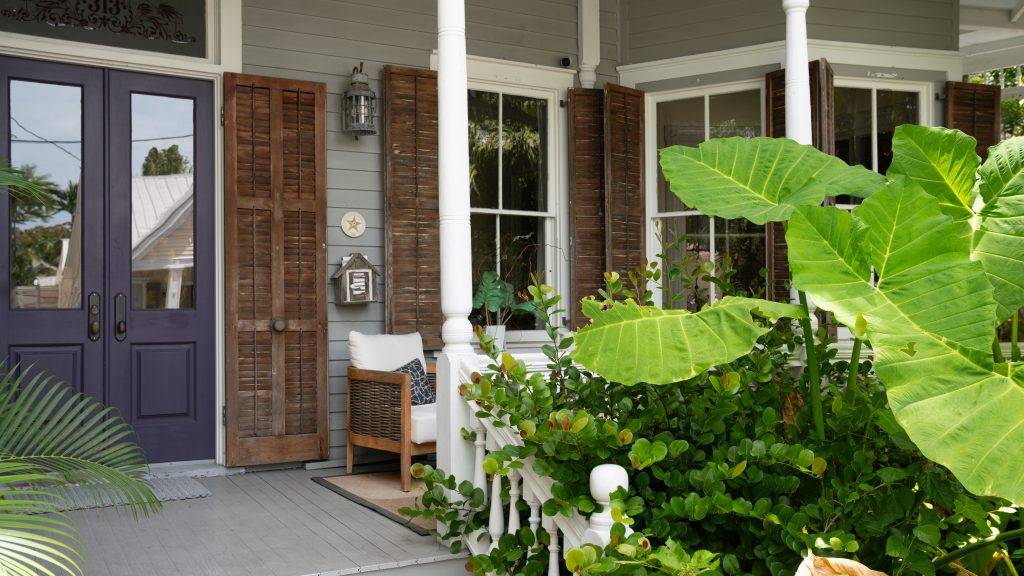
5. Plan Maintenance in Cycles, Not Emergencies
Historic homes were built to last, but they were also built to be maintained continuously. The homeowners who get into trouble are the ones who treat historic-home maintenance like new-construction maintenance — wait for something to break, then fix it.
A better approach is thinking in cycles. Exterior paint on a wood-frame historic home in Florida needs refreshing roughly every 6 to 10 years. Original wood windows need reglazing, sash cord replacement, and storm protection planning. Roof systems need inspection annually and replacement on a predictable schedule. Original hardwood floors need periodic refinishing. Plaster walls need repair and repainting. Plumbing and electrical systems installed in the 1920s or 1950s may need systematic modernization rather than patch-by-patch replacement.
What to do: Build a five-to-ten-year capital plan for your home. Identify which major systems are approaching end of useful life and budget accordingly. A $50,000 roof replacement you’ve planned for three years feels very different from a $50,000 emergency you face during a storm season.
6. Choose Contractors Who Actually Understand Historic Homes
Most Florida contractors are built for new construction and standard renovation. They know how to frame with modern lumber, install modern windows, run modern HVAC, and deliver a code-compliant kitchen remodel on schedule. Many of them are very good at that work.
Very few of them, though, know how to work with lath and plaster, original wood floors from longleaf pine, sash windows with weight cords, historic masonry, or the specific code exceptions and exemptions that apply to designated historic properties. Putting a standard contractor on a historic home often results in work that damages original character, voids future preservation tax credits, or fails to meet the local historic commission’s review standards.
What to do: Work with contractors who have documented experience with historic properties in Tampa Bay. Ask for references from clients with similar homes. Ask them specifically about their approach to original materials. If a contractor’s first instinct is “we’ll just tear that out and replace it with new,” they’re probably not the right fit for a contributing historic home.
7. Understand Your Property’s Tax Situation
Owning a historic home in Tampa Bay can carry some genuinely favorable tax considerations if you know where to look.
Florida offers property tax exemptions for historic properties that open to the public or that are used in income-producing ways under specific conditions. Historic preservation tax credits at the federal and state levels can offset substantial portions of qualifying rehabilitation costs. Conservation easements on properties with significant architectural or cultural value can generate meaningful tax benefits. Homestead exemption rules apply to historic homes like any other primary residence, but the nuances around inherited properties, multi-generational ownership, and partial historic-use properties get complicated quickly.
What to do: Work with a CPA or tax advisor who has documented experience with historic property taxation. Most general tax preparers don’t know these rules well, and generic advice costs historic-home owners real money every year.
8. Know Your Neighborhood Association and Historic Commission
Every major Tampa Bay historic district has an active neighborhood association, and several have direct connections to local historic preservation commissions that review exterior modifications. These organizations are genuinely valuable resources — they know the local rules, they have institutional memory about the neighborhood, they often organize tours and events that showcase properly preserved homes (which tend to lift overall neighborhood values), and they advocate for the district at the city and county level.
They’re also, practically, the people you need to know if you plan to make any significant exterior modifications to your home.
What to do: Join your neighborhood association. Attend at least one historic commission meeting in your first year of ownership. Learn who your neighbors actually are — particularly the long-tenured ones who remember what was in your house before you bought it, and what’s been done to it over the years.
9. Resist the Urge to “Modernize” Everything
One of the subtler traps of historic-home ownership is the gradual loss of original character through small, individually reasonable decisions. Replace the original windows with vinyl because they’re drafty. Remove the original claw-foot tub because it’s hard to clean. Paint over the original hardwood floors because the refinishing cost seems high. Swap the original doorknobs because modern ones are easier. Strip the original moldings because they need repainting.
Each decision individually makes sense. Added together over years, they strip the home of the very features that make it valuable — and make it indistinguishable from a 1990s tract home that happens to occupy an old footprint.
The buyers who will eventually purchase your home from you (or your children from your estate) will pay substantial premiums for properly preserved original features. They will not pay premiums for a historic home that has been gradually converted into something that merely looks old.
What to do: Before you remove or replace any original feature, ask three questions: Can this be repaired rather than replaced? What’s the genuine cost difference between repair and replacement? And what would the home look like in twenty years if I keep making decisions like this one?
10. Document Everything
Every historic-home owner should maintain a home history file. This should include: original building permits and Sanborn map references if you can find them, your elevation certificate, wind mitigation inspection, home inspection reports, historic commission approvals, contractor receipts for any restoration or renovation work, photographs before and after major projects, insurance policies and claims history, and any research you’ve done on the home’s original owners, builders, or architectural provenance.
When you eventually sell the home, this documentation becomes a genuinely powerful marketing asset — buyers of historic properties specifically value homes whose history is documented rather than lost. It also helps your heirs if the home eventually passes through an estate.
What to do: Start the file today if you don’t have one. Digital copies are fine, but keep a physical folder for originals and key documents. Label photographs with dates and project descriptions. Your future self and your future buyer will both thank you.
The Bigger Picture
Owning a historic home in Tampa Bay isn’t just property ownership — it’s stewardship. The Craftsman bungalow in Old Seminole Heights, the Mediterranean Revival on Snell Isle, the casita in Ybor City — these homes have survived decades of Florida heat, hurricanes, development pressure, and changing tastes because generations of owners made decisions to preserve rather than replace. Your ownership is a chapter in that ongoing story.
Treat your home accordingly. Understand its rules. Know its vulnerabilities. Plan for its long-term health. Document its history. And when the time eventually comes to sell, work with an agent who understands what it actually is.
Need Help With Your Historic Home?
Whether you’re considering buying a historic home in Tampa Bay, preparing to sell one, or just looking for specialized advice on insurance, restoration contractors, flood zone strategy, or preservation planning — I’d be glad to talk.
Call 727-871-SOLD (727-871-7653) or reach out through the Contact page to start the conversation.