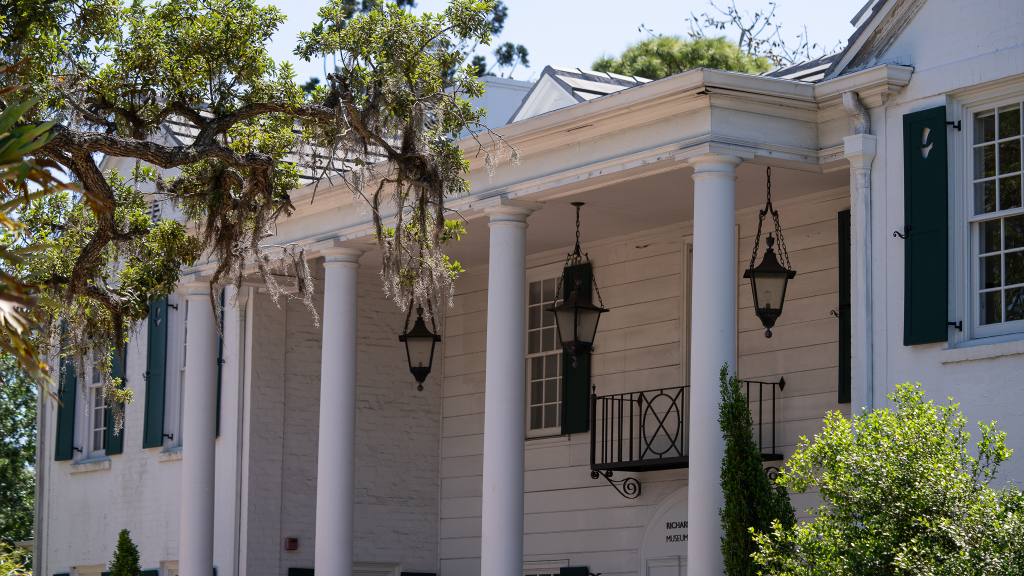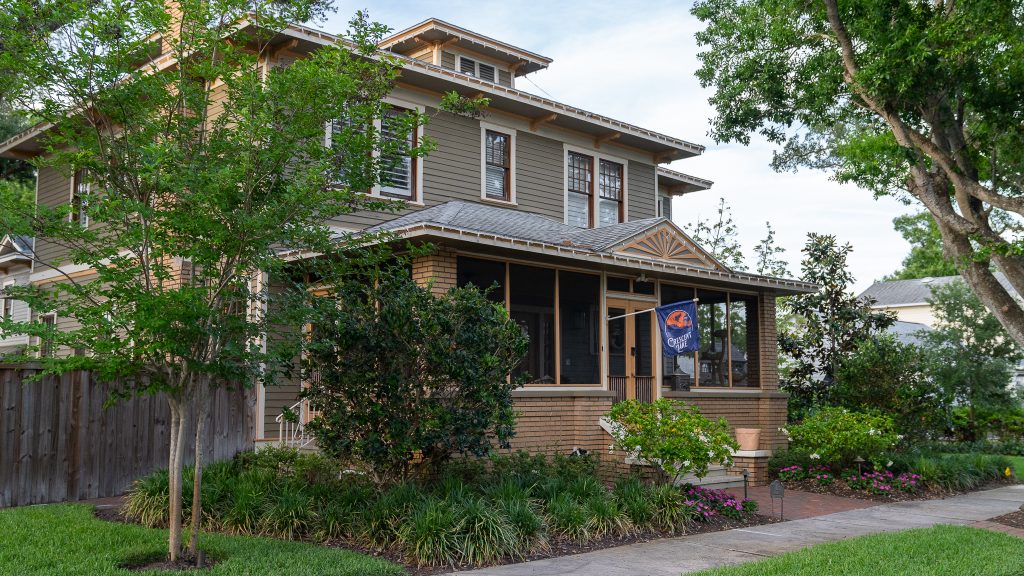
The answer starts underground, but you can see it in the front steps of an old Tampa Bay bungalow.
By Mark Middleton
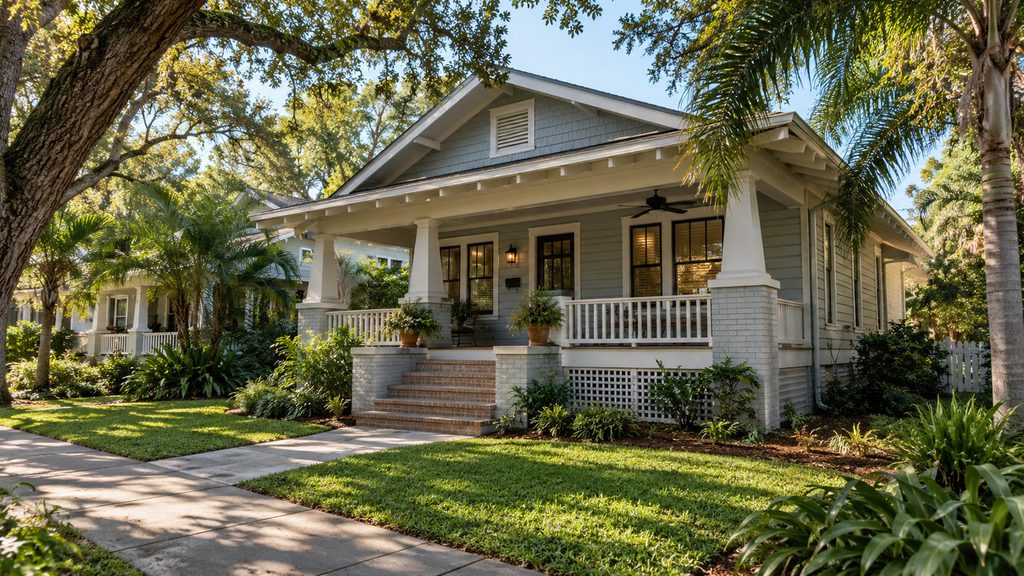
For someone who grew up with a basement, a Florida home can feel as though an entire floor has gone missing.
Where does the workbench go? What happens to the holiday decorations? And where do you put those boxes you keep promising to sort through? Suddenly, a two-car garage starts looking like a very optimistic description.
You have probably heard the explanation about Florida’s high water table. It is a useful place to start. But the subject gets more interesting when you look at how our older homes were built and consider why a basement became such an expected feature elsewhere.
The Water Does Not Have to Come Through the Front Door
A yard can look perfectly dry while groundwater sits close beneath it. In many parts of Florida, excavating a full story below the surface means creating a room where the surrounding ground may become saturated, particularly during the rainy season. Heavy rainfall and, in vulnerable coastal locations, storm surge add to the concerns about putting living space below ground. Maronda Homes
The water table is not a fixed line, either. It rises and falls with rainfall and other conditions. A dry excavation at one time of year does not necessarily tell you what that same location will look like months later.
Limestone comes into the explanation, too, although “Florida sits on limestone” is often offered as though that settles the matter. It does not. Florida has different combinations of rock and sediment beneath its surface. Limestone can contain interconnected pores and openings that hold and transmit water. It is not a solid, waterproof platform protecting whatever you build above it. FDEP
A basement can be engineered to resist water, but doing so requires careful design, drainage or waterproofing suited to the site, and attention to water pressure against the structure. That is a considerable investment before anyone gets around to choosing flooring.
The Other Answer Is Winter
To understand why Florida generally skips the basement, it helps to ask why northern houses have one in the first place.
In colder climates, freezing ground can heave and move a foundation. Builders have traditionally placed footings below the frost line to avoid that movement. Once a project already required substantial excavation, creating useful space beneath the house became a more practical proposition.
Here in Tampa Bay, we do not have that same deep-freezing ground to contend with. Without the cold-weather reason to dig, the economics change. Building below ground means taking on excavation and water-control costs that a house on a slab or raised foundation can often avoid.
The missing basement begins to make more sense when you consider both sides of that equation. There are reasons to avoid digging down here, and less reason to do it in the first place.
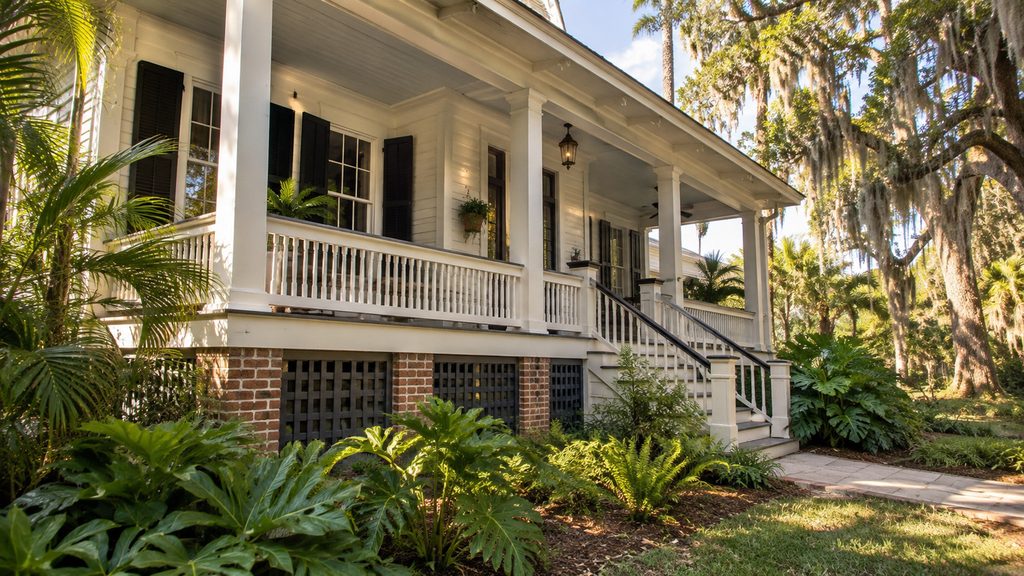
Look Beneath an Old Tampa Bay Porch
This is where the subject becomes especially interesting to me…
Look at the raised floors and open foundations of older homes in Tampa Heights. Those front steps are part of the house’s character, but there is a practical arrangement underneath them. Tampa’s historic design guidelines describe raised foundations enclosed with open brickwork, ventilating grates, or wood lattice. These treatments allowed air to move beneath the house. That crawlspace was not an unfinished basement waiting for someone to install a staircase.
It is worth noticing the roof at the same time. Deep overhangs helped shade openings and protect them from rain. Above and below, these houses carried features that responded to the conditions around them. City of Tampa
That is one of the things I appreciate about historic architecture. A detail can be beautiful enough that we stop asking what it was supposed to do.
We admire the rhythm of the front steps and the pattern in the lattice. Someone also had to think about ventilation, shade, rain, and the ground beneath the floor. Understanding those decisions makes an old house more interesting to me than simply identifying its architectural style.
Of course, a few steps above the lawn should never be mistaken for a guarantee against rising water. Appreciating the original design and understanding a property’s present-day risks are two different responsibilities.
Yes, Florida Does Have Basements
There are exceptions, including some wonderful historic ones.
The Stone House at Deering Estate in Miami-Dade County has a basement and a wine cellar. Its existence is a useful correction to the idea that building a basement in Florida is impossible.
Groundwater conditions vary from place to place, so a statewide generalization cannot settle the question for an individual property. Knowing what is happening beneath that particular piece of ground matters more than assuming every Florida lot behaves the same way.
For a buyer considering one of these unusual homes, I would start with a straightforward question: how was that below-ground space built, and how well has it stayed dry? The extra room is only part of what you need to understand.
For a broader look at what to consider before buying an older property, I’ve put together a guide to buying and selling historic homes in Tampa Bay. Appreciating a house’s character is a good beginning. Understanding what you are taking on matters just as much.
A House That Belongs Here
I think this is a good way to look at historic homes generally. Before deciding that a house is missing something, take a moment to understand why it was built that way.
That does not solve the problem of where to put the holiday decorations. It does make the house more interesting, and it changes what you notice.
The next time you approach an old bungalow, pause before climbing the steps. Look at the open space beneath the floor and the shade reaching out from the roof. Imagine the house without those details.
Then walk up onto the porch.
Interested in Calling an Older Florida Home Your Own?
My interest in these homes goes beyond real estate. I enjoy understanding why a neighborhood looks the way it does, what was here before us, and which details are worth preserving. That same curiosity is behind Discover Delightful Dunedin, where I share the people, places, and stories of my hometown. It also runs through my photography and travel stories at Mark A. Middleton. Whether I am walking through an old neighborhood with a camera or showing someone a house, I tend to notice the things that make a place its own.
I’m Mark Middleton, a Tampa Bay REALTOR® and founder of Middleton Tampa Bay at Compass. I help people buy and sell historic, waterfront, and distinctive homes throughout Dunedin, Clearwater, St. Petersburg, Tampa, and the surrounding communities. Considering an older home, or thinking about selling one you have loved for years? Call or text me at (727) 871-7653, or email MarkMiddleton@Compass.com. I would enjoy hearing about the house, what matters to you, and how I might help.